In 2026, the key focus for AI investment strategies isn't rising oil prices, but rather interest rate hikes. Rate increases directly impact the massive capital expenditures (CAPEX) essential for AI development and deployment, amplifying valuation concerns and increasing corporate debt risks.
Why Are Interest Rates More Crucial Than Oil Prices in the AI Era?
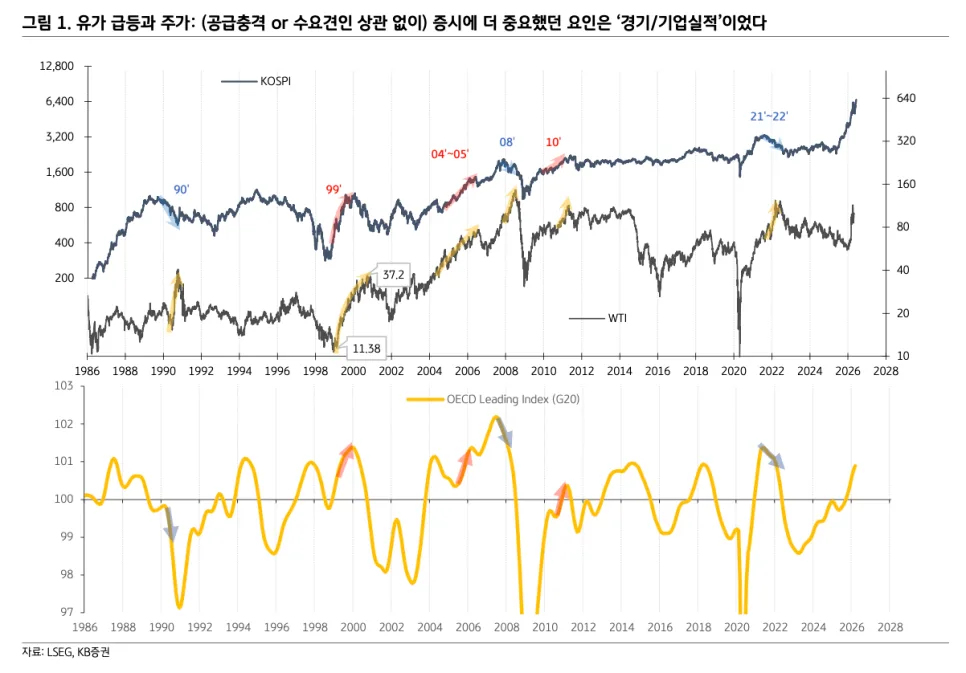
Historically, oil prices and stock markets often moved in tandem, with rising oil prices correlating with stock market gains. However, the advent of the AI era, particularly the pursuit of Artificial General Intelligence (AGI) spurred by advancements like those from OpenAI, is fundamentally reshaping the investment landscape. AGI development necessitates a 'massive CAPEX cycle' focused on GPUs, High Bandwidth Memory (HBM), and power infrastructure, demanding enormous financial investment. While efficiency improvements like Mixture of Experts (MoE) and quantization are crucial, rising interest rates directly burden these large-scale investments. Higher rates increase valuation multiples, inflate the cost of issuing corporate bonds, and elevate the required rate of return for investment projects, making them a more significant factor than oil price volatility in investment decisions. The dot-com bubble's collapse, for instance, was partly triggered by a sustained period of rising interest rates.
How Does AI Development Connect to Investment Risks?
The race for AI advancement, especially towards AGI, ignites a 'massive CAPEX cycle' requiring substantial investment. This involves breakthroughs in technologies like MoE, quantization, distillation, and Retrieval-Augmented Generation (RAG), each demanding astronomical funding. When interest rates climb, these costs escalate dramatically. Companies face increased borrowing expenses, forcing them to re-evaluate the profitability of investment projects. This is particularly challenging for later-stage companies with significant leverage, who may struggle with financing. Historically, during periods of rising rates, vendor financing and the corporate bond market have faced significant stress. A slowdown in customer cash flow can lead to defaults on accounts receivable and loans, as seen when telecom companies' network investments faced credit risks due to high debt burdens during past economic downturns.
What Should Investors Watch Out For in the AI Era?
Investing in the AI era requires a keen eye on both technological progress and interest rate fluctuations. The risks associated with vendor financing, exemplified by the Nvidia-OpenAI-Oracle relationship, have already surfaced and can ripple through the AI ecosystem's financial flows. Furthermore, massive debt-fueled investments, like Alphabet's (Google) issuance of 100-year bonds for data center expansion, carry significant risk if interest rates rise. While Google's scale and projected returns might mitigate this, not all companies can navigate such challenges successfully. Therefore, a thorough analysis of a company's financial health, particularly its debt levels and sensitivity to interest rate changes, is crucial. Investors should prioritize companies with robust balance sheets and sustainable financing strategies.
What is the Relationship Between AI Investment Success and Rising Interest Rates?
Technological breakthroughs and investor returns don't always align perfectly in timing. Even with significant advancements in AI, a persistent trend of rising interest rates can create headwinds for investors. These include higher valuation pressures, increased costs for issuing corporate debt, and elevated return expectations for investment projects. Companies, especially those with substantial leverage, are particularly vulnerable to these rate hikes. Therefore, a comprehensive investment strategy must integrate the potential of AI technology with macroeconomic indicators, with a particular focus on interest rate trends. For individual investors, seeking professional guidance to align their portfolio with their risk tolerance and investment goals is a prudent approach.
For more details, check the original source below.