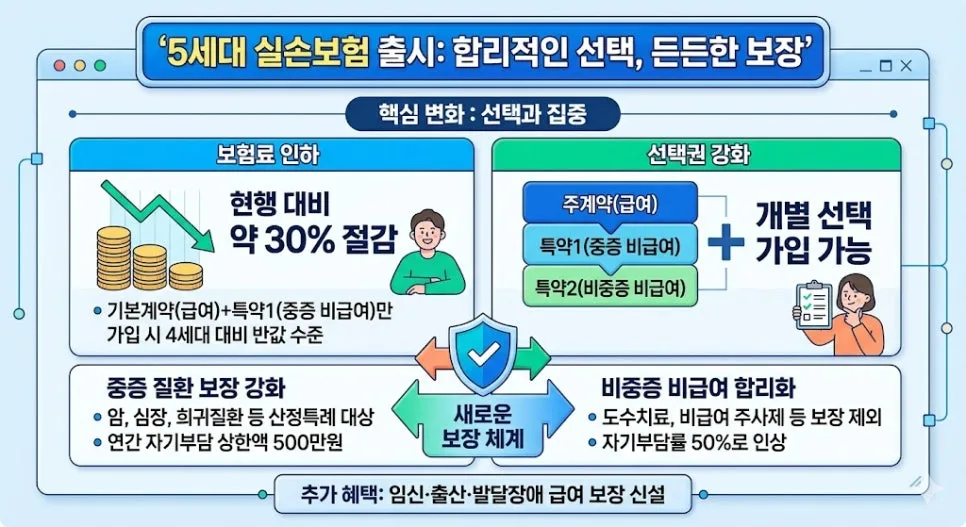
In 2026, the 5th generation of South Korea's standard health insurance (Silson) is set to undergo significant changes, aiming for a more segmented coverage structure. While this offers more choice, understanding potential premium increases and shifts in non-covered (non-급여) benefits is crucial. For those considering switching from older policies, a careful evaluation of your personal health status and healthcare usage patterns is essential. This guide breaks down what you need to know.
What are the Key Changes in 5th Gen Korean Health Insurance?
The core of the 5th generation Silson insurance reform revolves around a move away from blanket coverage to a more segmented approach. Experts anticipate policies will be divided into 'basic coverage,' 'optional rider benefits,' and 'separate non-covered benefit coverage.' This signifies a shift from 'covering everything' to 'selecting coverage that meets your specific needs.' For instance, you might be able to opt-in or out of coverage for specific treatments or conditions. While this offers greater flexibility for policyholders to tailor their insurance to their healthcare spending plans, it also presents the challenge of accurately identifying which benefits are truly necessary. Therefore, before considering a switch to the 5th generation Silson, a thorough analysis of your current health and projected medical expenses is vital.
Why Are Korean Health Insurance Premiums Consistently Rising?
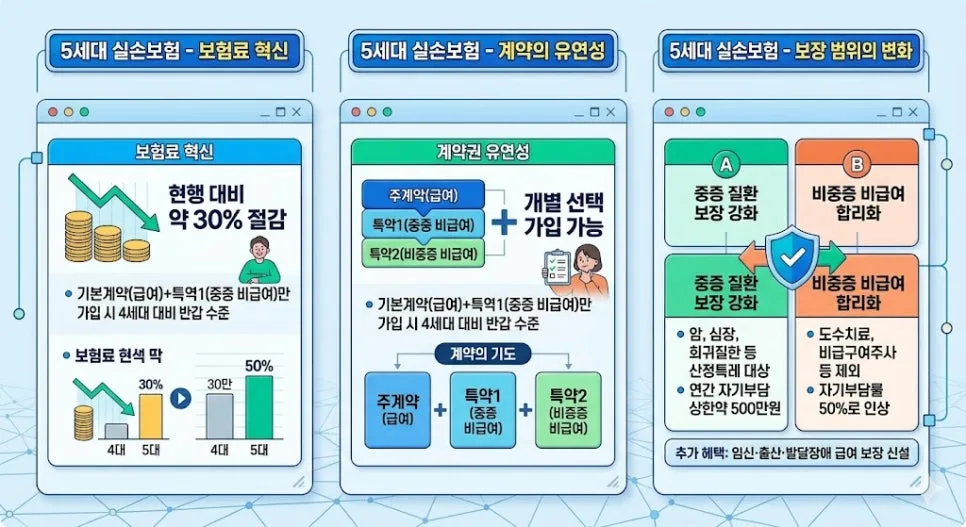
Several interconnected factors contribute to the ongoing rise in Korean health insurance premiums. A primary driver is the increasing utilization of 'non-covered' medical services, which are not part of the national health insurance system and are often reimbursed by private Silson policies. The frequency and cost of these non-covered treatments have steadily climbed. Additionally, an aging population means higher medical expenses among older policyholders, and an overall increase in healthcare utilization further strains insurance providers' finances. These systemic issues make premium hikes almost unavoidable. The 5th generation Silson reforms are also focused on addressing these rising costs through structural adjustments, which will significantly influence future premium calculations.
Should I Switch from My Current Silson Insurance to the 5th Generation?
While the term 'Silson conversion' is gaining traction, it's not automatically beneficial to switch. Converting your policy means moving from your existing Silson insurance to a new generation product, which can alter your coverage scope, premiums, and co-payment percentages. It's crucial to recognize that your current policy might offer more favorable terms. For example, older policies may have lower co-payment rates or broader coverage for certain benefits. Furthermore, depending on your health status, switching to a new policy could result in higher premiums or reduced coverage. Instead of assuming new is always better, carefully compare your current policy's terms with the new generation's offerings, considering your personal health and typical medical expenses. Consulting with a financial advisor can help you make the most informed decision for your individual circumstances.
How Will Non-Covered Benefits Be Handled in the 5th Gen Silson Insurance Reform?
Due to the escalating burden of non-covered medical costs, the 5th generation Silson insurance reform is actively discussing measures to either reduce coverage for these benefits or separate them entirely from standard coverage. This means that for certain non-covered treatments, policyholders might face a higher out-of-pocket expense. The aim is to create a clearer distinction between essential healthcare services covered by national insurance and optional treatments, thereby managing the overall cost of insurance. This adjustment is a direct response to the increasing financial strain on insurance companies caused by the rising use of these specialized medical services.
For more details, check the original source below.