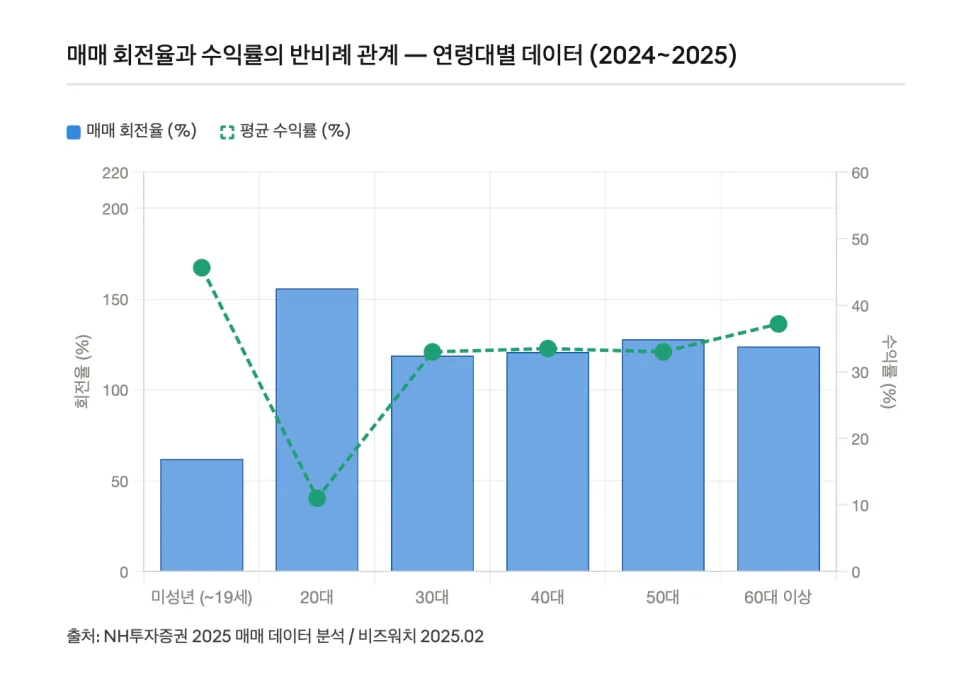
The 3-step stock selling strategy is an effective method to maximize profits by systematically selling portions of your holdings at different profit milestones. This approach helps secure psychological stability and accelerates asset growth, remaining a crucial tactic for individual investors navigating market volatility in 2026 and beyond. It’s designed to help you survive and thrive in the stock market by consistently locking in gains.
Secure Initial Gains: Step 1 Sell at 10-15% Profit
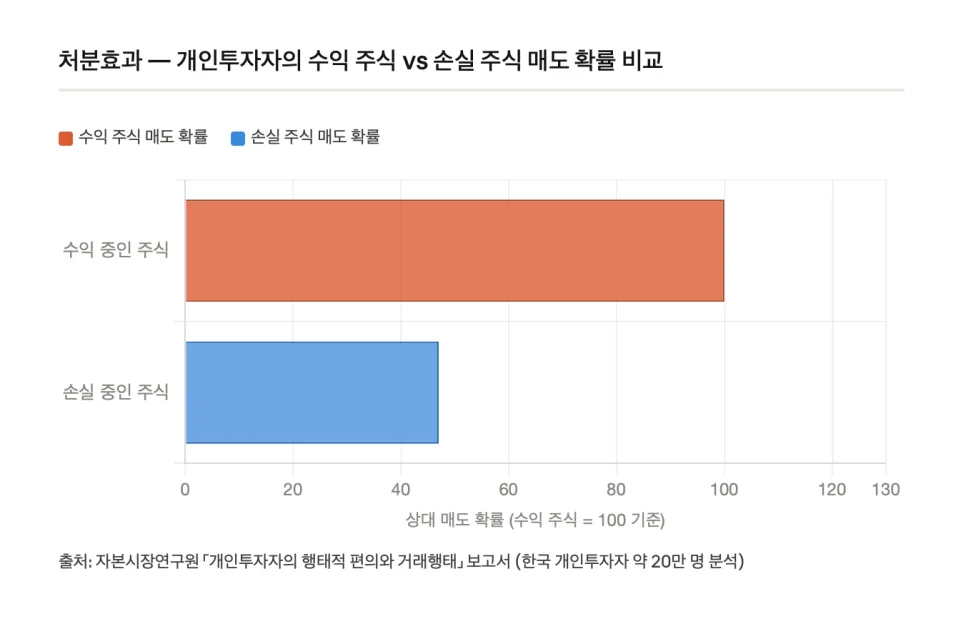
When your stock reaches a profit of 10% to 15%, it’s strategically sound to sell approximately 30% of your total holdings. This initial sale serves a dual purpose: it allows you to recoup a portion of your initial investment, significantly reducing psychological pressure from market fluctuations, and it establishes a foundation for holding the remaining shares longer. The relief of recovering your principal investment can act as a positive motivator for your continued investment. Many investors make the mistake of holding on too long, hoping for greater gains, only to see their profits dwindle or even turn into losses. Selling 30% not only secures some profit but also effectively lowers your average cost basis, enabling clearer decision-making for the rest of your investment.
Accelerate Growth: Step 2 Sell at 20-30% Profit
Once your stock price continues to climb and reaches a profit of 20% to 30%, it’s time for the second sale. My personal strategy involves selling another 30% of the shares at this stage. This is often when positive news about the stock starts circulating, and technical indicators like the Relative Strength Index (RSI) may signal overbought conditions (e.g., above 70). It's natural to anticipate even higher gains, but when public enthusiasm and objective indicators diverge, it’s wiser to trust the data. Selling another 30% here allows you to realize more substantial profits and further de-risk your position. Prioritizing quantitative metrics over emotional responses is key to realizing profits effectively.
Maximize Returns: Hold the Final 40% Until Trend Reverses
The remaining 40% of your shares are where you can potentially maximize your returns by riding the trend until it shows clear signs of reversal. A common approach is to use the 5-day moving average (5-day MA) or the breach of a previous low as your primary selling signals. Since you’ve already secured significant profits from the first two sales, you can view this remaining portion as a bonus. This mindset allows you to hold on longer, capturing more of the upward momentum without the intense pressure of protecting your initial capital. This strategy can significantly impact your overall portfolio returns. However, it's crucial to implement a corresponding stop-loss strategy (e.g., selling immediately if the stock drops 8% from its peak) to maintain a symmetrical risk management approach, especially since this tactic is predicated on an overall uptrend.
Avoid Common Pitfalls: Discipline Over Emotion
The most frequent mistakes investors make with the 3-step selling strategy stem from succumbing to greed or fear. Greed can lead to delaying sales even after reaching profit targets, hoping for unrealistic gains, only to watch profits evaporate. Conversely, fear can cause premature selling on minor dips, even when the overall trend remains intact. Making selling decisions based on emotions rather than a clear plan is a critical error. It’s essential to establish your own well-defined selling rules—such as selling a specific percentage at a certain profit level or exiting when a key technical indicator signals a reversal—and adhere to them mechanically. Individual investors must minimize emotional decision-making in volatile markets and rely on objective indicators and their personal strategy to ensure long-term survival and success. Consulting with a financial advisor can also help tailor the optimal selling strategy to your specific circumstances.
For more details on this selling strategy, check the original source below.