
In 2026, escalating geopolitical tensions in the Middle East are driving a significant surge in global oil prices. This analysis examines the causes, forecasts, and the critical risk posed by the Strait of Hormuz, along with its implications for the global economy.
Why Are Middle East Tensions Causing Oil Prices to Skyrocket in 2026?
The Middle East is currently experiencing heightened geopolitical tensions, leading to a sharp increase in international oil prices. The military standoff between the United States and Iran is intensifying, coupled with a firm stance from Israel towards Iran, raising concerns about potential conflict escalation. These Middle East-driven risks extend beyond regional instability, significantly impacting global energy markets and the broader economy. Historically, such geopolitical instability fuels anxieties about energy supply chains, directly contributing to oil price hikes. Clashes in these crucial oil-producing regions amplify market fears regarding crude oil production and export disruptions, invariably pushing international oil prices upward. As of 2026, this geopolitical volatility stands as a primary driver of rising oil prices.
Is the Strait of Hormuz Blockade the Main Culprit for Oil Prices Exceeding $100?
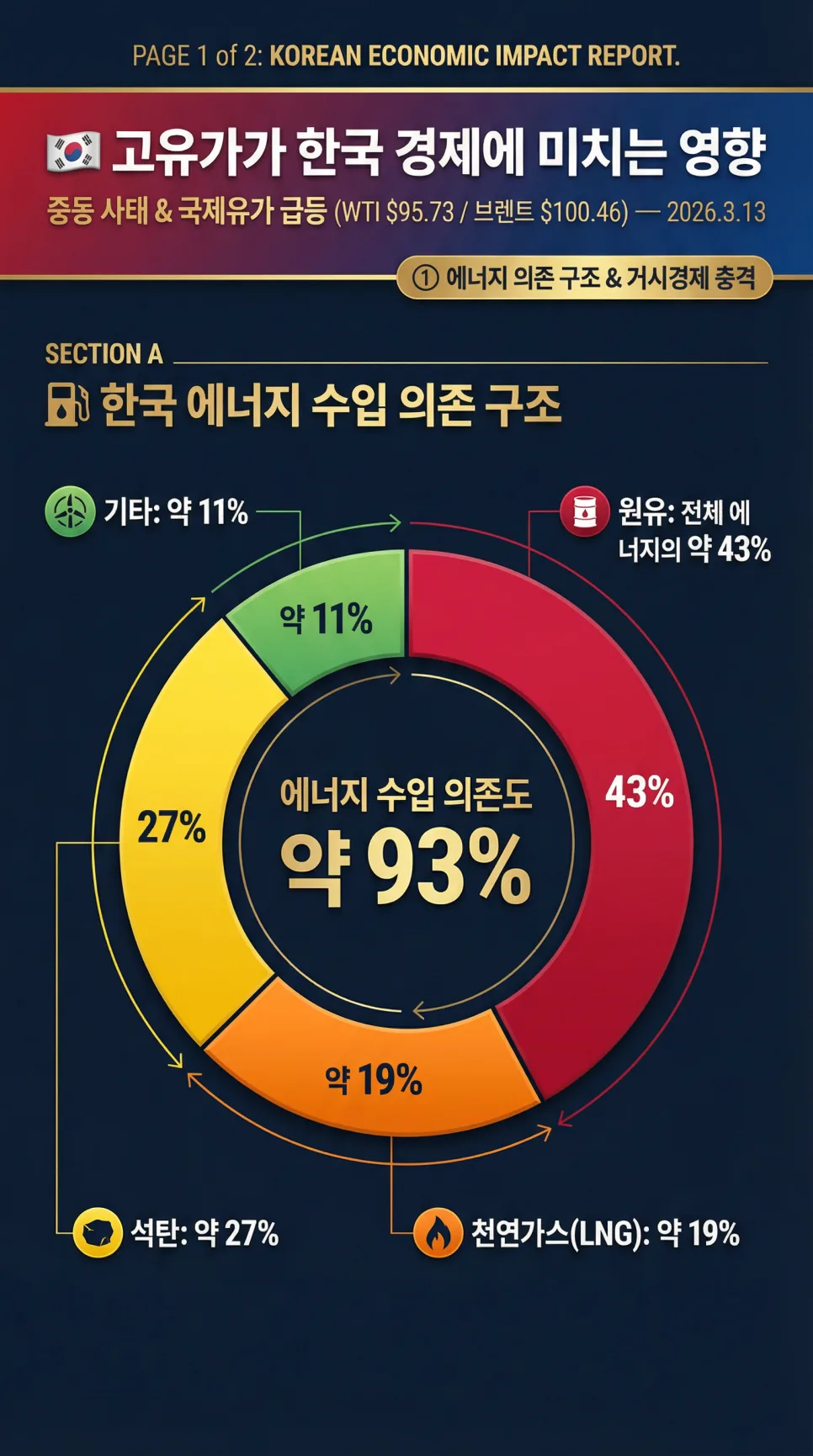
Another critical factor behind the surge in global oil prices is the instability surrounding the Strait of Hormuz, a vital chokepoint for global energy transport. Approximately 20% of the world's oil supply passes through this narrow waterway. Any disruption or blockade of shipping in the Strait could trigger a severe crisis in the oil supply chain, inevitably causing international oil prices to soar. The current price of West Texas Intermediate (WTI) crude exceeding $95 per barrel, with Brent crude nearing $100, reflects the market's significant pricing-in of this Strait of Hormuz risk. Recent incidents, such as a tanker fire in Iraqi waters and attacks on merchant vessels, have underscored the real dangers to maritime transport, further intensifying upward pressure on oil prices. These maritime security concerns directly impact oil transportation, exacerbating fears of supply shortages.
Impact of High Oil Prices on the US Economy
For energy-import-reliant economies like the United States, a sustained rise in oil prices can have severe repercussions. Increased oil costs directly translate to higher inflation, eroding consumers' purchasing power and potentially weakening the dollar against other currencies, further inflating import costs. For businesses, escalating energy expenses can reduce profit margins, stifle investment, and diminish overall competitiveness. Nations with high energy import dependency are particularly vulnerable to prolonged periods of high oil prices. Historically, such scenarios have been accompanied by a general decline in consumer confidence and a downturn in corporate profitability. Consequently, the current trend of elevated oil prices in 2026 poses a significant threat to the resilience of the US economic recovery. Consumers may face direct financial strain from increased heating and fuel costs, impacting household budgets.
2026 International Oil Price Outlook: Key Variables to Watch
Several key variables will dictate the future trajectory of international oil prices. Firstly, the operational status of the Strait of Hormuz is paramount. Its stability directly influences global oil supply volumes. Secondly, the potential for conflict expansion in the Middle East is a critical concern. If the conflict broadens geographically, it could significantly disrupt production from major oil-producing nations, leading to further price volatility. The response from major oil-producing nations and the effectiveness of international diplomatic efforts to de-escalate tensions will also play a crucial role in shaping market sentiment and price movements throughout 2026.
For more details, check the original source below.