In 2026, the geopolitical landscape in the Middle East presents significant potential impacts on global oil prices. Key factors influencing crude oil costs include the possibility of a Strait of Hormuz blockade, the escalating tensions between the U.S. and Iran, and strategic decisions regarding strategic petroleum reserves. These elements, alongside potential ripple effects on food prices, are crucial for understanding the energy market outlook. This analysis is for informational purposes only and does not constitute financial advice. Consult a licensed financial advisor before making any investment decisions.
What's driving the potential 2026 oil price surge?
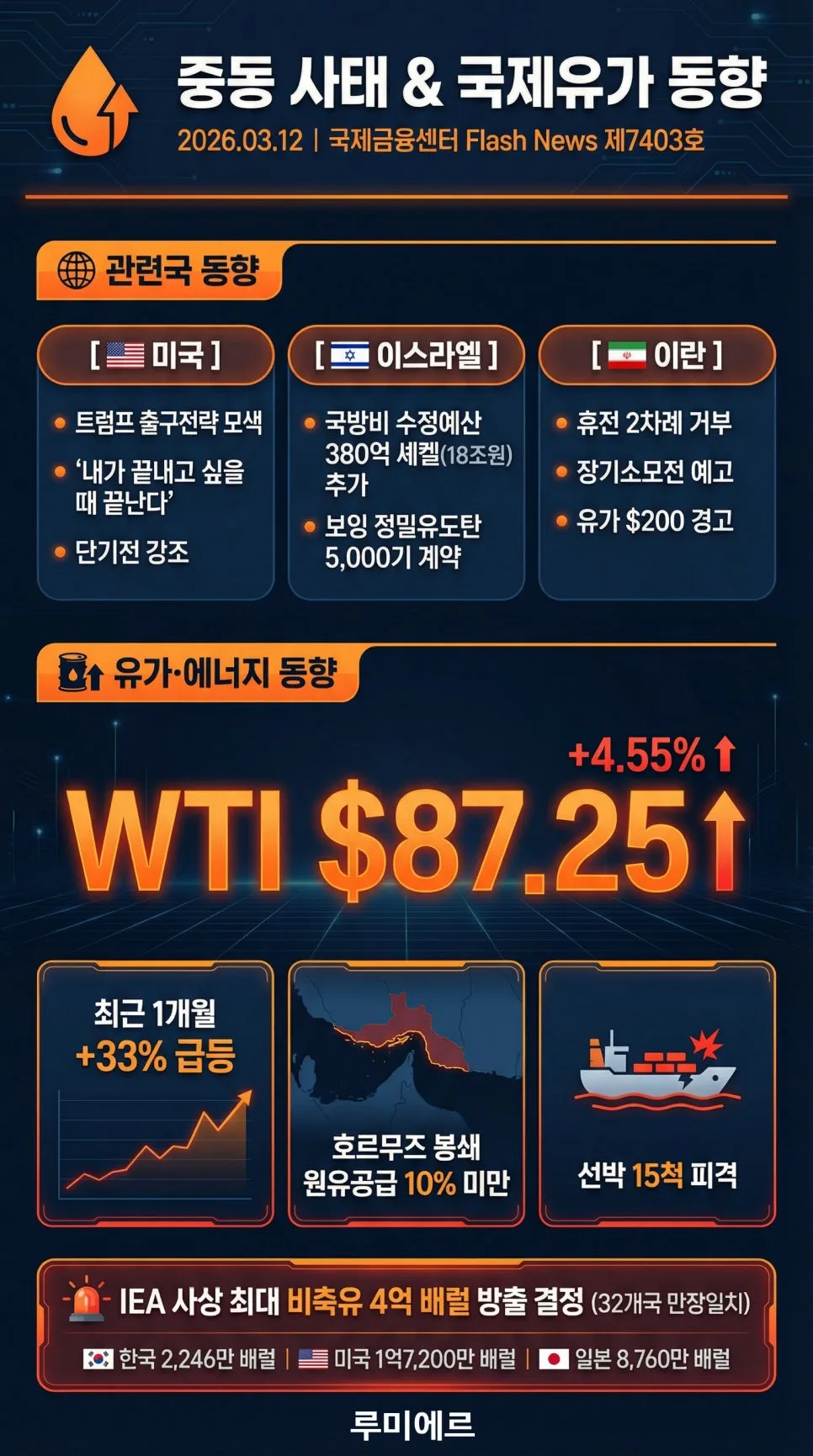
The primary driver behind potential oil price spikes in 2026 is the ongoing tension surrounding the Strait of Hormuz. This vital waterway is a critical chokepoint for global oil transportation, with a significant percentage of the world's crude oil passing through it daily. Recent incidents, including tanker attacks and maritime drone activity in the region, have heightened market anxiety. Any military conflict or disruption to shipping in the Strait could severely impact global oil supply chains, leading to a sharp increase in international oil prices. For instance, on March 11th, the West Texas Intermediate (WTI) crude oil price saw a notable increase of approximately 4.6% in a single day, reflecting these market concerns. The current oil market is highly sensitive, reacting sharply to geopolitical news, political statements, and maritime incidents, exhibiting considerable volatility.
How do U.S. and Iran's opposing stances affect oil prices?
The diplomatic and military posturing between the United States and Iran significantly influences global oil market sentiment and price. While the U.S. has indicated a desire for de-escalation and a potential end to conflict, Iran has responded with conditional demands, such as the recognition of its rights, while simultaneously maintaining high-pressure tactics. This complex dynamic creates uncertainty, which is a key factor in oil price volatility. For example, Iran has suggested oil prices could reach as high as $200 per barrel if the Strait of Hormuz were blockaded, though this is largely seen as a political statement rather than a concrete forecast. The market closely watches these statements and actions, as they can trigger speculative trading and impact immediate price movements. The differing objectives and communication strategies between these two nations create a precarious balance that directly affects the perceived risk in the oil supply.
What are global efforts to prevent oil price hikes?
In response to escalating tensions and the potential for oil price surges, international bodies and major economies are exploring various countermeasures. The International Energy Agency (IEA) has coordinated the release of approximately 400 million barrels of strategic petroleum reserves from member countries to stabilize the market and mitigate supply shocks. Additionally, discussions around implementing a price cap on natural gas, similar to measures seen in other energy markets, are being considered to prevent extreme price fluctuations. These coordinated actions aim to assure markets of sufficient supply and deter excessive price speculation. The effectiveness of these measures will depend on their scale, duration, and the overall geopolitical stability in the region. The U.S. Department of Energy also plays a role in managing its own strategic reserves, coordinating with international partners to ensure global energy security.
Beyond oil, what are the concerns regarding food prices?
The geopolitical instability in the Middle East extends beyond energy markets, posing a significant threat to global food security and prices. A prolonged conflict or disruption in the region could impact the supply of essential agricultural inputs, particularly fertilizers. Many fertilizer components are transported through key shipping lanes, including the Strait of Hormuz. Any disruption to these supply chains can lead to increased fertilizer costs, which directly translates to higher agricultural production expenses. This, in turn, can drive up the prices of essential food commodities worldwide. Many Middle Eastern nations are heavily reliant on food imports, making them particularly vulnerable to supply chain disruptions. Therefore, the conflict in the Middle East could trigger a cascading effect, leading to a global food price crisis. Given the potential for widespread impact, seeking advice from financial experts is recommended to navigate these complex economic conditions.
What are the key variables for future oil price outlooks?
Looking ahead, several critical variables will shape the future trajectory of international oil prices. The foremost concern remains the potential blockade of the Strait of Hormuz; any disruption here would create an immediate and substantial supply shock. Secondly, the possibility of escalating military conflict between the United States and Iran is a significant factor that could further inflame market anxieties and drive prices upward. Lastly, decisions regarding the release and scale of strategic petroleum reserves by major consuming nations will play a crucial role in managing supply shortfalls and stabilizing prices in the short to medium term. The interplay of these three factors will be pivotal in determining the direction of oil prices in the coming months and years. Continuous monitoring of these developments is essential for understanding market dynamics.
English crawl path
Next English reads from this pilot cluster
Continue through the category hub, latest English stories, and related posts so this translated article is not an isolated URL.
Tags
💬Frequently Asked Questions
What should I check first in 2026 Oil Price Surge: 3 Factors to Watch Amidst Middle East Tensions?
Does this Finance article link back to the Korean source?
Where can I find similar English stories?
English discovery path
Explore more English K-culture stories
Keep browsing the indexed English pilot cluster so Google and readers can move between this story, the category hub, and fresh discovery pages.
Original Source
Read the Korean original