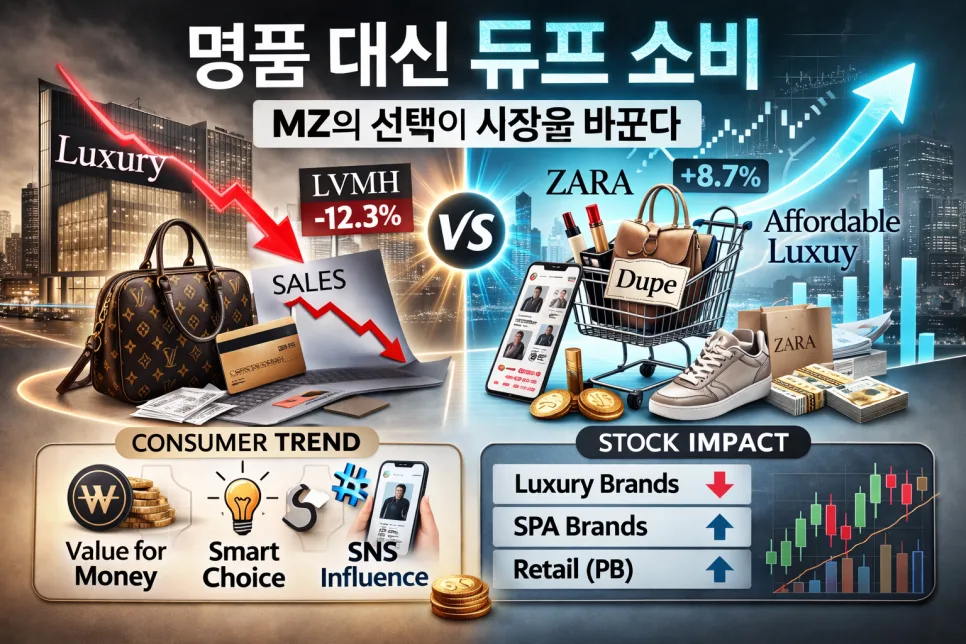
The 'dupe shopping' trend, where consumers opt for affordable alternatives instead of high-end luxury items, is rapidly gaining traction among Gen Z and reshaping the market. By 2026, this shift towards value-driven consumption is poised to significantly impact fashion, beauty, and retail, reflecting a deeper change in consumer values beyond a fleeting trend.
Why Is Gen Z Embracing 'Dupe Shopping'?
The primary drivers behind Gen Z's embrace of 'dupe shopping' are a complex interplay of economic realities and evolving values. Amidst rising inflation and economic uncertainty, consumers are prioritizing 'value for money' above all else. The past 'flex' culture, focused on conspicuous consumption of luxury goods, is being replaced by a 'smart spending' ethos that finds satisfaction in making savvy, affordable choices. This isn't simply about a lack of funds; it reflects Gen Z's preference for intelligent consumption as a core value. Furthermore, the influence of social media platforms like TikTok and Instagram cannot be overstated. Content showcasing nearly identical, yet significantly cheaper, alternatives to luxury products is going viral, leading to a surge in searches for 'dupe' hashtags. This widespread sharing of affordable alternatives is a key factor fueling the trend.
Is the Luxury Market Slowing Down?
The luxury market, which experienced explosive growth during the COVID-19 pandemic, is now facing a slowdown. Major luxury conglomerates like LVMH are seeing their growth rates moderate, a trend attributed to a combination of factors including slower-than-expected consumer recovery in China, persistent high interest rates, and the growing 'smart spending' movement. While luxury goods are not disappearing, the era of unquestioned, rapid purchasing is waning. This shift suggests increased volatility for luxury brands' stock performance and presents a significant challenge for companies to adapt their strategies to a changed consumer mindset.
How Are Value Brands Countering the Trend?
In contrast, mid-tier and value-oriented brands, such as fast-fashion giants like Zara (owned by Inditex), are maintaining stable growth. These brands leverage rapid trend adaptation and accessible pricing to consistently deliver solid financial results. A similar pattern is emerging in the beauty market, where affordable alternatives with comparable ingredients and efficacy to high-end luxury cosmetics are gaining popularity as 'smart choices.' This phenomenon indicates a fundamental shift in consumer purchasing criteria, moving from brand prestige to value and compelling product attributes. It also opens avenues for retailers to explore private label development and collaborations to improve profit margins.
Is 'Dupe Shopping' a Fad or a Structural Shift?
Ultimately, 'dupe shopping' is more than just a passing trend; it's a significant indicator of a structural shift in Gen Z's consumer values. This evolution extends beyond the fashion and beauty industries, promising long-term impacts across retail, distribution, and overall brand strategy. It's not about devaluing luxury itself, but rather a redefinition of what constitutes 'valuable' consumption. Brands must now focus on understanding and catering to these evolving consumer needs with relevant products and services. Therefore, a thorough analysis of the 'dupe shopping' trend and the development of long-term business strategies are crucial for sustained success in the modern market.
English crawl path
Next English reads from this pilot cluster
Continue through the category hub, latest English stories, and related posts so this translated article is not an isolated URL.
Tags
💬Frequently Asked Questions
What should I check first in Dupe Shopping 2026: The Rise of Value Over Luxury for Gen Z?
Does this K-Beauty & Fashion article link back to the Korean source?
Where can I find similar English stories?
English discovery path
Explore more English K-culture stories
Keep browsing the indexed English pilot cluster so Google and readers can move between this story, the category hub, and fresh discovery pages.
Original Source
Read the Korean original