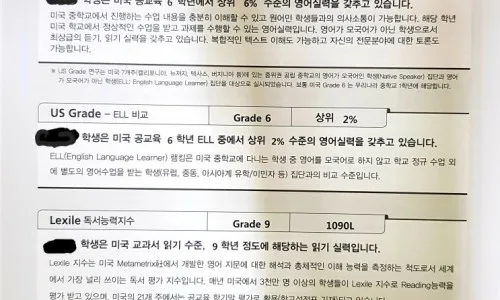
Systematic English reading from an early age is crucial for a child's language development. This guide, based on real-world experience, reveals the most effective strategies for building a strong foundation in English literacy by 2026. Consistent reading is the cornerstone of English proficiency.
Why Is Early English Reading So Important for Kids?
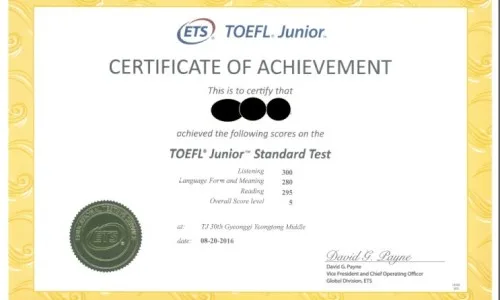
Consistent exposure to English books from a young age plays a pivotal role in a child's language acquisition journey. Unlike rote memorization of vocabulary and grammar, reading authentic English materials fosters genuine language use and comprehension. It naturally introduces children to English-speaking cultures and ways of thinking, deepening their understanding of the language. Many education experts consider the elementary school years the 'golden age' for language learning, and establishing a strong reading habit during this period is the most effective path to long-term English proficiency. In my experience, children who engage with a variety of English books from an early age tend to develop not only strong literacy skills but also enhanced creativity and critical thinking abilities.
How to Systematically Start Teaching English Reading in 2026
Approaching English reading for elementary schoolers requires a phased strategy that considers the child's individual level and interests. Begin with books that have abundant illustrations and minimal text, gradually increasing the complexity. For children who have grasped basic phonics, picture books or simple readers are ideal starting points. Selecting books featuring characters or themes the child enjoys can significantly boost engagement. Beyond just reading, incorporating activities like summarizing the plot or discussing the characters enhances comprehension. Establishing a consistent reading routine, perhaps at a set time each day, helps build a sustainable habit. From experience, the learning impact is maximized when children are empowered to choose their own books and read them with genuine enjoyment.
Choosing the Right English Books for Your Child
Selecting the appropriate English books for elementary students involves a holistic assessment of their age, English proficiency, and personal interests. For children aged 6-8, books with rich illustrations and simple sentence structures, such as picture books or early readers, are highly recommended. Series like 'Dr. Seuss' or 'Elephant & Piggie' are excellent choices due to their engaging stories and repetitive language patterns. For older children, ages 9-12, consider intermediate readers or short chapter books that introduce more complex narratives and a wider vocabulary. Popular options include the 'Magic Tree House' series or 'Geronimo Stilton.' Ultimately, the most crucial factor is allowing the child to choose books that genuinely capture their interest. When children are drawn to the subject matter, their reading experience becomes more positive and effective. My experience shows that consistent reading of preferred books is the most powerful learning method.
Key Considerations When Guiding English Reading Practice
When guiding your child's English reading practice, several points are essential to keep in mind. Firstly, avoid forcing books that are too advanced for their current level, as this can lead to frustration and a loss of interest in English. Continuously assess your child's reading level and provide books that are appropriately challenging. Secondly, don't place excessive emphasis on perfect pronunciation or grammar initially; focus on comprehension and understanding the story. Gradually work towards accuracy as their skills develop. Thirdly, when discussing the book afterward, offer encouragement and positive feedback rather than critical remarks. Creating a supportive environment where children feel confident to continue their reading journey is paramount. Positive reinforcement, based on my observations, significantly boosts a child's motivation to learn.
Discover more strategies for English reading in the original article.