For young children struggling with Korean vocabulary, a play-based approach combined with positive emotions is highly effective. Learning with a 'Jaranda' teacher integrates auditory, visual, and kinesthetic experiences to aid long-term memory retention.
Why Is Early Korean Language Learning Crucial?
The period between ages 3 and 7 is a critical window for language acquisition. During these formative years, a child's brain is highly receptive to new languages, allowing for more efficient and rapid learning with less effort. Because their brains aren't yet fully wired for just one language, they can naturally absorb multiple languages simultaneously without confusion. This is a precious opportunity to introduce Korean not as a 'foreign' language, but as another natural form of communication. Even if vocabulary memorization seems slow, with the right guidance, rapid acquisition is possible. This stage is vital for cognitive development, making it essential to foster positive early experiences with the Korean language.
The Secret to Remembering Korean Vocabulary: Play and Emotion
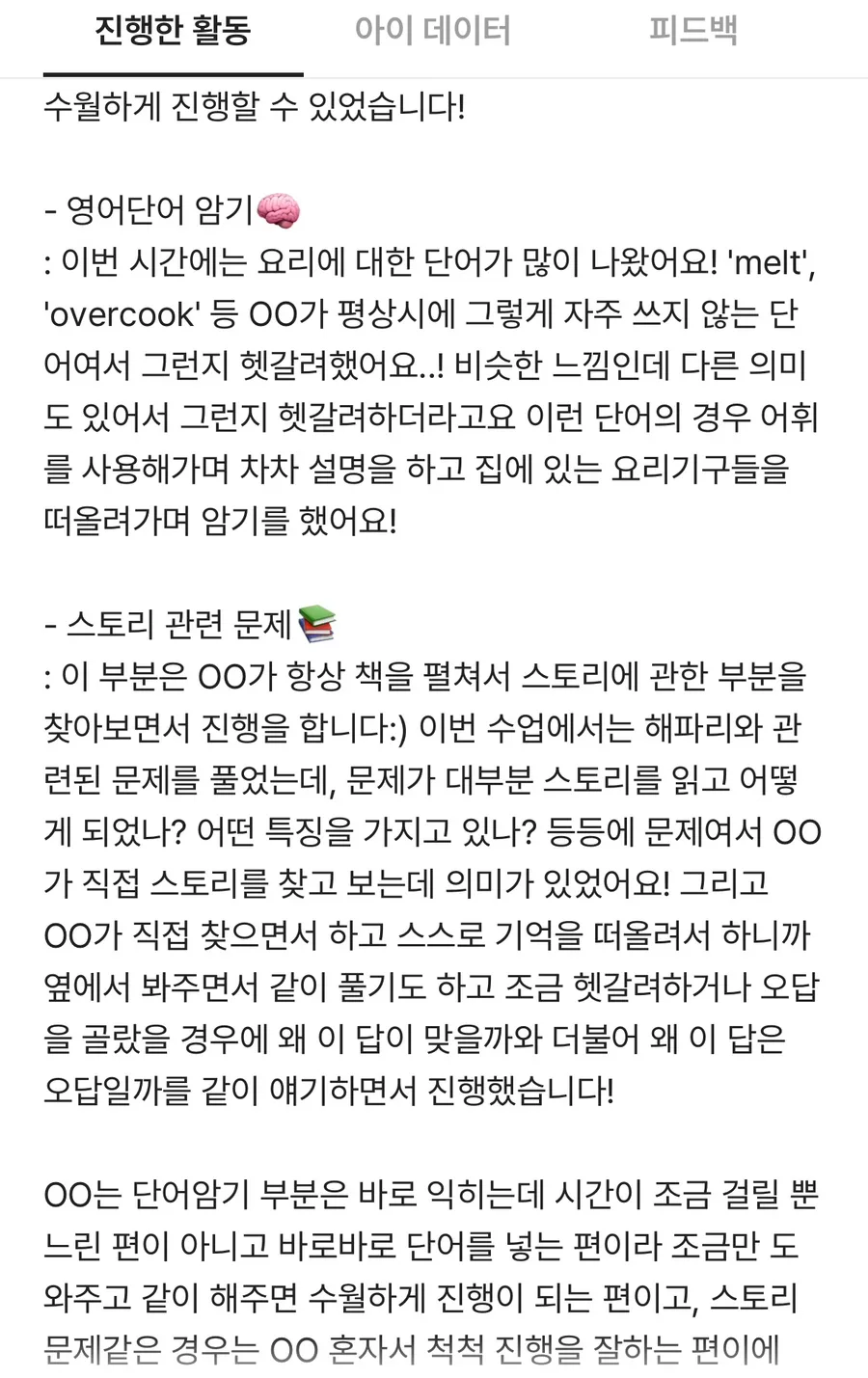
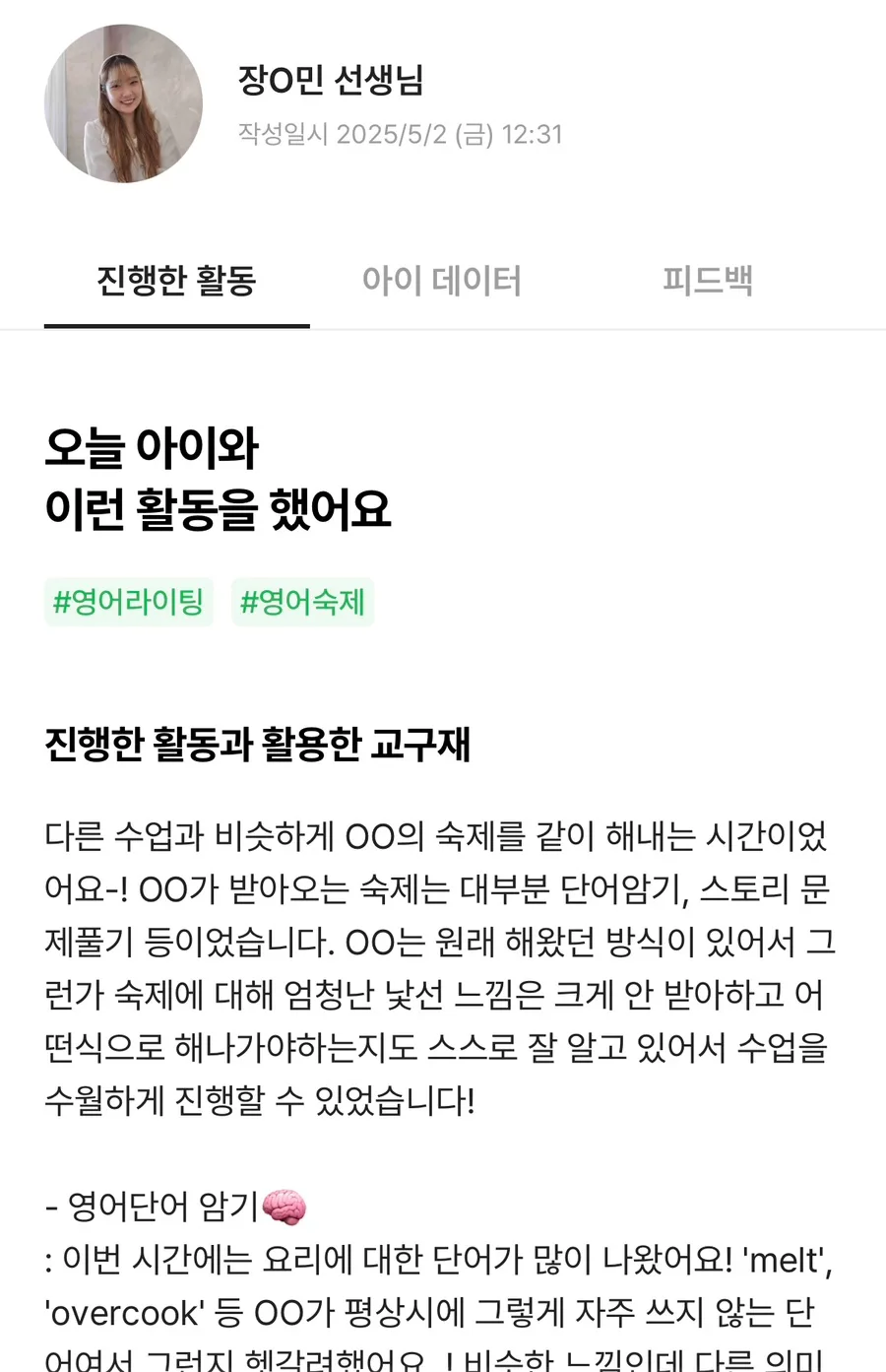
Children remember words far better through engaging play and the positive emotions associated with it than through rote memorization. According to psychologist Alan Baddeley's working memory model, stimuli that combine auditory, visual, and kinesthetic experiences are more likely to be transferred to long-term memory. A 'Jaranda' teacher's Korean tutoring sessions provide this integrated stimulation through personalized 1:1 learning tailored to the child's disposition. This approach has already satisfied over 400,000 parents, offering a superior learning experience. Through these holistic experiences, children naturally grasp the meaning of words, making it a far more effective learning method than simple memorization.
How Do You Help with Early Elementary Korean Homework?
For working parents of early elementary school children, managing homework can be challenging. A list of 120 Korean vocabulary words can feel overwhelming for a child. A 'Jaranda' teacher supports children by helping them hear words repeatedly, use them actively in activities, and connect them to situations through play. Even if they don't fully grasp the meaning immediately, the teacher facilitates the brain's natural process of storing language structures and vocabulary. This specialized care goes beyond what grandparents might be able to provide, helping to reduce homework-related stress and build the child's confidence.
Who Should Try Jaranda's Korean Learning Program?
Jaranda's Korean learning program is an excellent option for children who quickly forget Korean vocabulary, find Korean difficult, or dislike the language. It's also beneficial for kids who prefer physical activities and play over speaking, or those who don't easily engage with Korean language classes in daycare or kindergarten. Korean isn't just a subject to be memorized; it's a language that can be enjoyed and learned naturally. With a Jaranda teacher, children can engage in fun listening, speaking, and play-like activities, fostering a positive attitude towards Korean and improving retention. The program is tailored to each child's learning style and pace, ensuring they can learn Korean enjoyably without resistance.
For more details, check the original source below.