To pass the 2026 Korean National Police University exam, your strategy should focus on understanding the exam schedule and prioritizing Criminal Law, which accounts for 80-90% of the exam's questions. Mastering case law is crucial for high scores, and analyzing past exam papers will help you adapt to the test's format and identify frequently tested areas.
What is the 2026 Korean Police Exam Schedule?
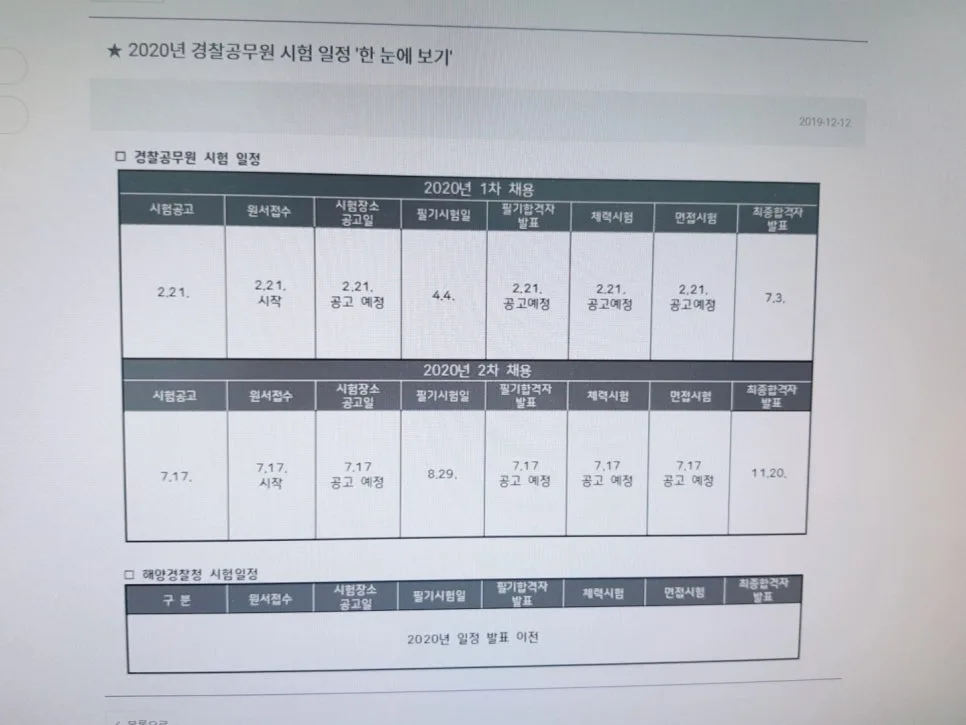
Understanding the 2026 Korean National Police University exam schedule is the first step in planning your study. Typically, police exams are held in two sessions per year, with the exact dates announced in early January. Based on the 2020 schedule, where the first session occurred in early April, it's likely that the 2026 exams will follow a similar timeline. It's important to set a realistic study period, avoiding conflicts with other major national exams. Once the schedule is confirmed, you can create a detailed study plan, adjusting your focus and workload for each subject based on the remaining time.
Why is Criminal Law Crucial for the Korean Police Exam, and How Should You Study It?
Criminal Law is a critical subject for passing the Korean National Police University exam, often determining success. Among the three core subjects—Criminal Law, Criminal Procedure Law, and Police Studies—Criminal Law heavily emphasizes case law, making up 80-90% of the exam questions. Therefore, your study should go beyond simple memorization and focus on understanding current legal precedents. Many exam questions are based on case law, so dedicating significant time to analyzing these precedents is key to achieving a high score. While case law is also important in Criminal Procedure Law and Police Studies, mastering it in Criminal Law provides a strong foundation for all three.
What's the Best Way to Use Past Exam Papers for Criminal Law Study?
Past exam papers are an indispensable tool for grasping the latest testing trends and improving your performance under exam conditions. By thoroughly analyzing previous exams, you can identify frequently tested topics and prepare for them effectively. This practice also helps you hone your time management skills by simulating the actual test environment. It's essential to review both correct and incorrect answers to pinpoint and address your weaknesses. Consistent practice and analysis of past papers throughout your study period will boost your learning efficiency and potentially shorten your overall study duration. Choosing the right study materials to guide your analysis of these papers is also vital.
What Are the Criteria for Selecting Effective Study Materials for Korean Police Criminal Law?
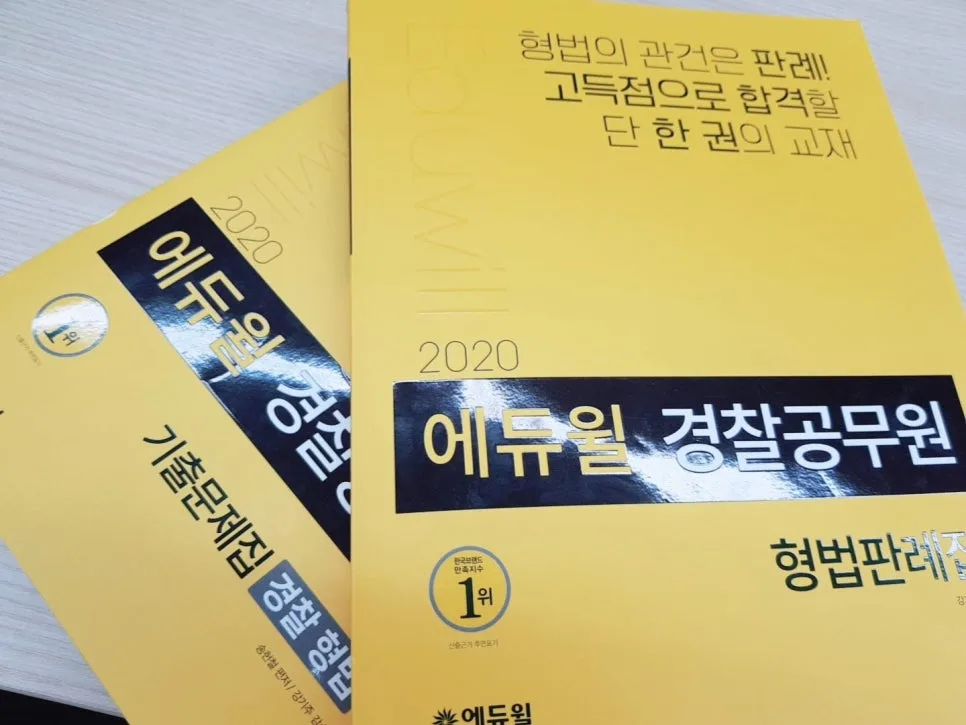
Selecting reliable study materials is crucial for your Criminal Law preparation for the Korean National Police University exam. Many students opt for materials from specialized public service exam institutions like Eduwill, known for their structured curricula and content reflecting the latest exam trends. It's highly recommended to choose textbooks that focus on case law, alongside core texts for the three main subjects (Criminal Law, Criminal Procedure Law, and Police Studies). Utilizing free lectures or materials can help reduce initial study costs. The key is to select materials that match your learning style and difficulty level, and to study them consistently to ensure success.
For more details, check the original source below.