The 9th-grade Education Administrative Civil Servant role in Korea is a highly sought-after position, attracting many applicants due to its competitive advantages over general administrative roles. With an anticipated increase in hiring numbers for 2026 and a focus on work-life balance, this career path offers a stable and appealing option for those prioritizing personal time alongside their professional life.
What's the Hiring Outlook for 9th-Grade Education Administrative Civil Servants in 2026?
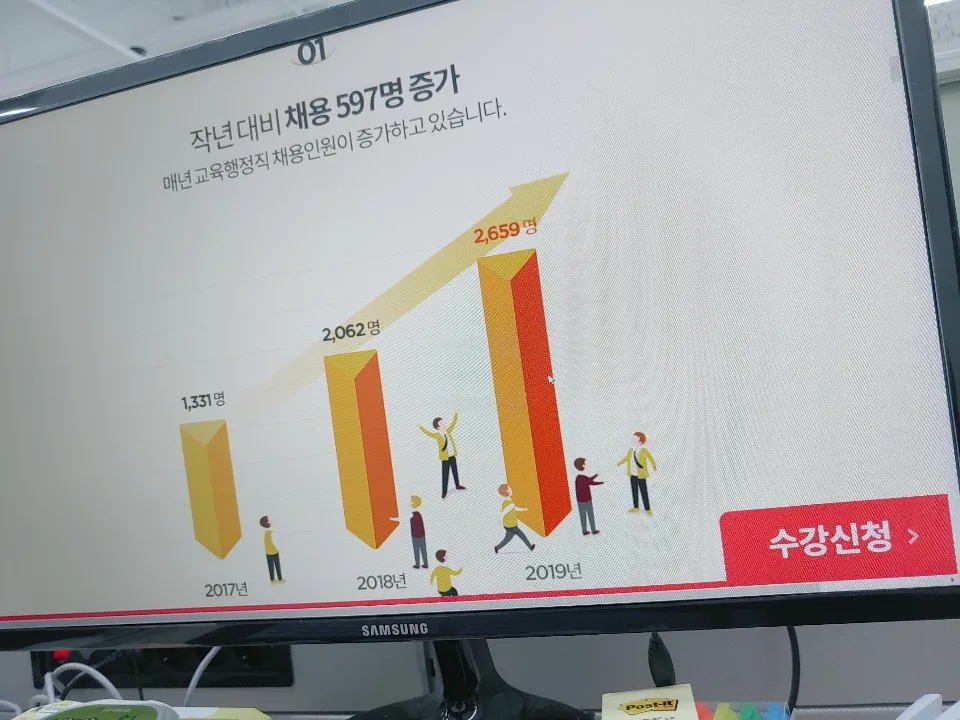
Following a trend of expanding public sector employment in recent years, the hiring numbers for 9th-grade Education Administrative Civil Servants are expected to continue their upward trajectory through 2026. This growth is driven by the overall increase in civil servant recruitment and the rising demand for administrative support within educational institutions. In 2023, for instance, hiring numbers saw a significant increase of 597 positions compared to 2018, signaling a positive outlook for aspiring candidates. This expansion means more available positions, potentially increasing the chances of successful application. Notably, the competition ratio for Education Administrative roles is generally lower than for general administrative positions, a trend that is expected to persist. While the synchronization of the Seoul Metropolitan Government's 9th-grade exam with provincial and education office exams in the past has influenced competition, similar patterns are anticipated for 2026. Consequently, many individuals who might have initially considered general administration are now shifting their focus to the more accessible Education Administrative track.
What Are the Key Advantages of Being an Education Administrative Civil Servant?
The primary appeal of the 9th-grade Education Administrative Civil Servant role lies in its excellent work-life balance and comprehensive benefits, making it a dream job for many. Beyond the inherent stability and benefits common to all civil servant positions, this role offers superior opportunities for personal time. With a remarkably early official end to the workday at 4:30 PM, individuals can more easily manage personal appointments, spend time with family and friends, or pursue hobbies. This contrasts sharply with the often demanding schedules and heavy workloads faced by those in social welfare or general administration roles, who frequently deal with excessive overtime and public complaints. The relatively lighter workload and fewer demanding public interactions in educational administration contribute to lower stress levels and a more fulfilling personal life, enhancing overall well-being.
What Are the Passing Scores for the 2026 9th-Grade Education Administrative Civil Servant Exam?
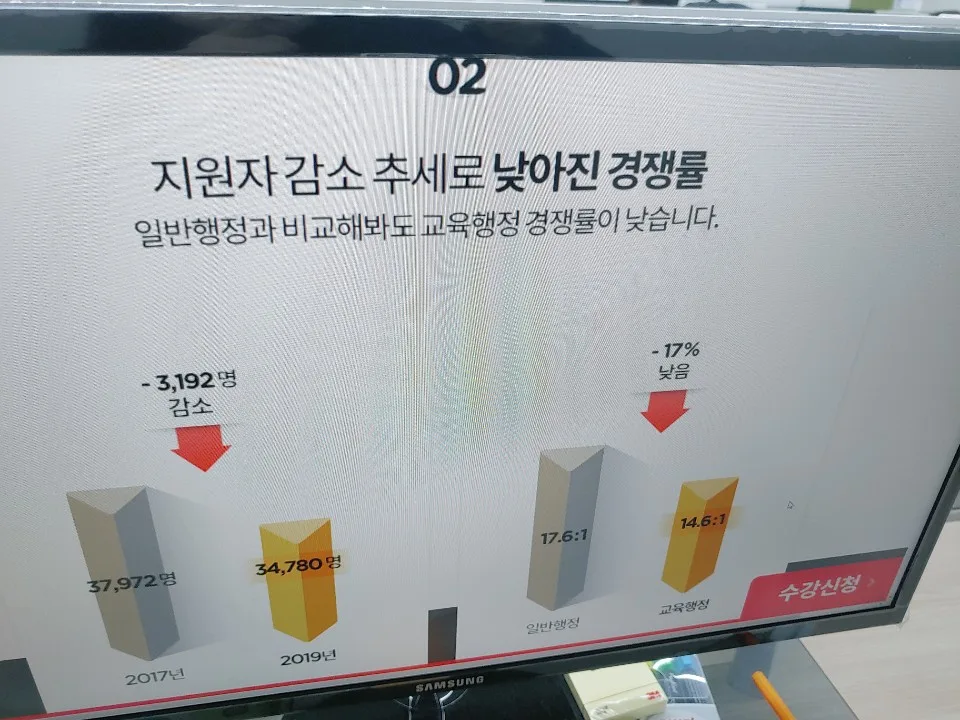
Historically, the passing scores for the 9th-grade Education Administrative Civil Servant exam varied, with some regions showing higher cutoffs than general administration. However, recent changes, including a shift in the examination's organizing body, have led to a noticeable decrease in passing scores. Between 2016 and 2018, the average passing score was around 391.25 points. Following the transition to the Ministry of Personnel Innovation (인사혁신처) as the exam administrator in 2019, the average score dropped significantly to approximately 347.46 points, a decrease of over 40 points. This decline is attributed to an increase in the exam's difficulty, requiring a deeper level of understanding and preparation. The trend of a more challenging exam is expected to continue in 2026, necessitating thorough study and strategic preparation from candidates. It's also important to note that application rates and passing scores can differ by region, with generally lower application rates observed for Education Administration compared to general administration in most areas outside of major cities like Daejeon and Busan.
What Should You Watch Out For When Preparing for the 9th-Grade Education Administrative Civil Servant Exam?
Given the shift in the examination's organizing body and the resulting increase in difficulty, candidates should prioritize a learning approach focused on deep comprehension rather than rote memorization. Understanding the underlying concepts is crucial for success. Strategic planning is also essential, particularly when choosing an application region. Researching regional competition rates and historical passing scores can help identify areas with potentially higher chances of success. Furthermore, the role involves interacting with various stakeholders within the school environment, so developing strong communication and interpersonal skills is vital. Familiarizing yourself with the day-to-day administrative tasks within educational settings will provide a significant advantage. While the Korean education system is known for its intensity, focusing on these key areas can help aspiring civil servants navigate the exam and the role effectively.
For more details, check the original source below.