Prepare to ace the 2026 Distribution Manager Level 2 certification with this expert-backed strategy guide. This nationally recognized certification validates your practical skills in the dynamic Korean distribution industry, covering everything from logistics to market analysis.
What Does the Distribution Manager Level 2 Exam Cover?
The Distribution Manager Level 2 exam assesses your comprehensive understanding of the distribution sector, including product flow, sales, and marketing. The test consists of 90 multiple-choice questions across four subjects: General Distribution and Logistics Management, Commercial Area Analysis, Distribution Marketing, and Distribution Information. You'll have 100 minutes to complete the exam. Importantly, only standard calculators are permitted; advanced scientific or financial calculators are prohibited. While recent pass rates have hovered around 30% (29.8% in 2024, 34.6% in 2023), indicating a slightly increasing difficulty, the exam is considered manageable with a structured study plan. Leveraging dedicated textbooks or online courses can significantly boost your learning efficiency.

2026 Distribution Manager Exam Schedule & Eligibility
Related Articles
The 2026 Distribution Manager Level 2 exam is typically administered three times a year. For context, the 2025 schedule saw registration open from late October to early November, with the exam held in late November and results announced in late December. The exact dates for 2026 will be announced by the Korea Institute for Human Resources Development (KIHRD) or equivalent official bodies, so keep an eye on their announcements. A key advantage of this certification is its open eligibility: anyone 18 years or older can apply, making it an excellent opportunity for those looking to enter or advance in the distribution field in Korea. Starting your preparation now ensures ample time to cover all material effectively.
Choosing the Right Study Materials for Distribution Manager Level 2
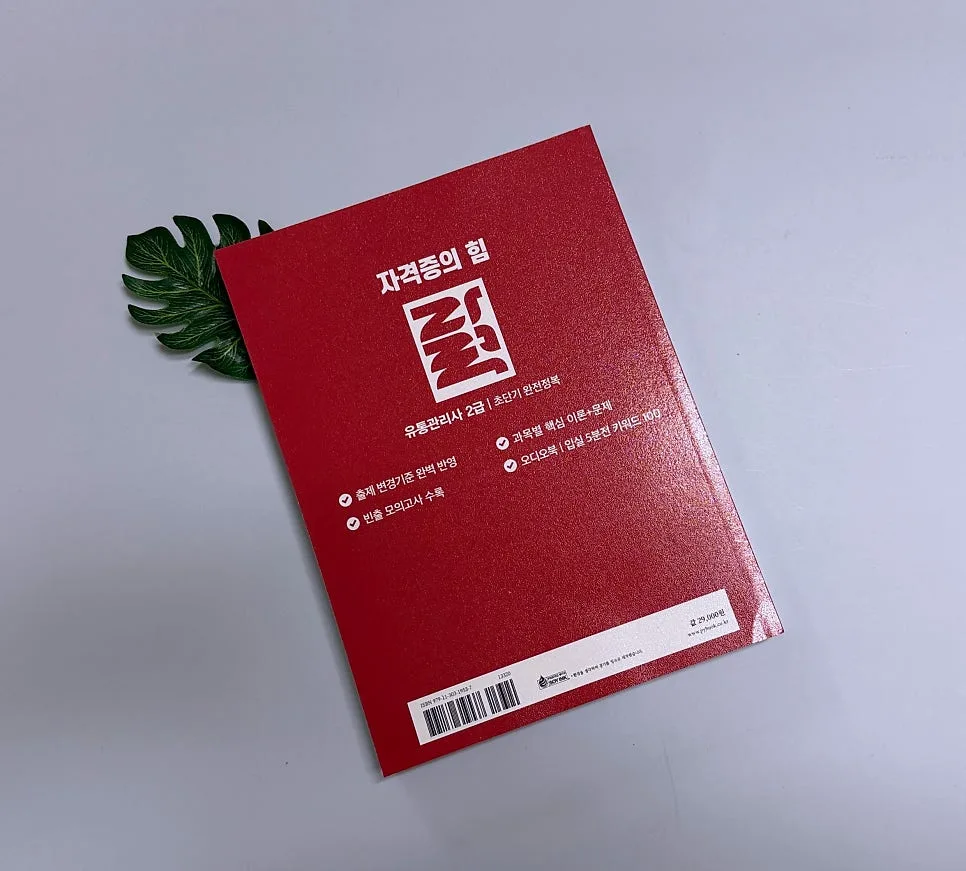
Selecting the appropriate study materials is crucial for passing the Distribution Manager Level 2 exam. Resources like 'Jaryeok Distribution Manager Level 2: Ultra-Short Complete Mastery' (자력 유통관리사 2급 초단기 완전정복), a popular choice in Korea, focus on core theories and frequently tested questions, making them ideal for intensive study and final review. These guides often condense essential knowledge and include practice problems mirroring the actual exam format. Furthermore, joining online communities associated with these textbooks can unlock supplementary resources such as free lectures, audiobooks, and the latest exam updates, significantly enhancing your learning experience.
Mastering Each Subject in the Distribution Manager Level 2 Exam
The Distribution Manager Level 2 exam is divided into four main subjects: General Distribution and Logistics Management, Commercial Area Analysis, Distribution Marketing, and Distribution Information. Each subject delves into specific areas. For instance, 'General Distribution and Logistics Management' covers the fundamentals of distribution, supply chains, economic aspects, industry trends, management strategies, organizational structures, financial management, procurement, wholesale/retail logistics, and corporate ethics. 'Commercial Area Analysis' focuses on market research, site selection, and store opening strategies. 'Distribution Marketing' explores marketing strategy planning, digital marketing, store management, and customer relationship management. Finally, 'Distribution Information' covers information systems, e-commerce, ERP, CRM, and SCM technologies. Understanding the core concepts within each subject and practicing with past exam questions is key to building exam readiness.
Key Considerations for the Distribution Manager Level 2 Exam
When preparing for the Distribution Manager Level 2 exam, keep a few critical points in mind. Firstly, be absolutely sure about the calculator policy; only standard calculators are allowed, and using unauthorized devices can lead to disqualification. Secondly, don't underestimate the exam despite the seemingly low pass rates; a consistent and structured study approach is vital. Thirdly, stay updated on the latest exam trends and information. Always check if your study materials are the most recent editions and if they incorporate current exam patterns. Lastly, mark your calendar for the application deadlines. Missing the registration period means waiting for the next cycle. Thorough preparation is your most reliable path to success.
For detailed exam information, consult official sources.