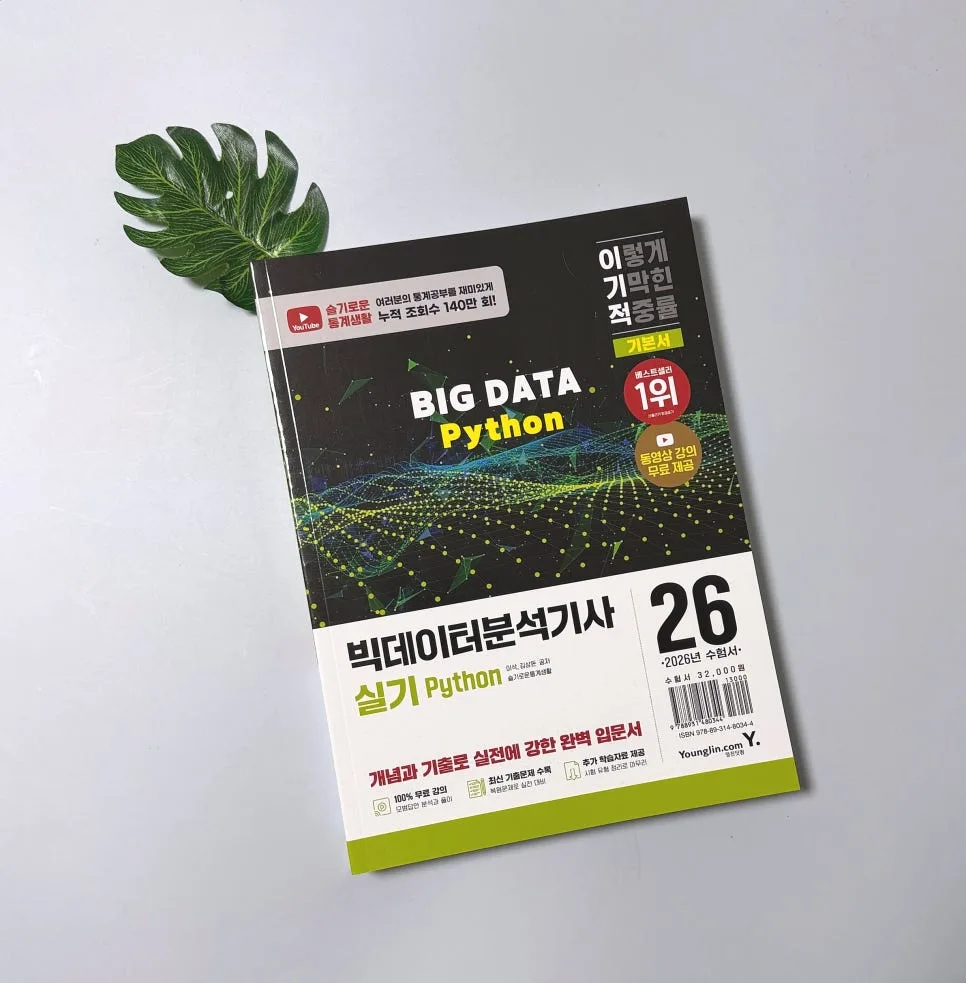
Master the Big Data Analyst practical exam using Python with this comprehensive 2026 study guide, crafted by an experienced professional. This resource is designed for self-study, covering essential Python skills, machine learning, and statistical analysis to help you pass.
Why This Python Study Guide for the Big Data Analyst Exam?
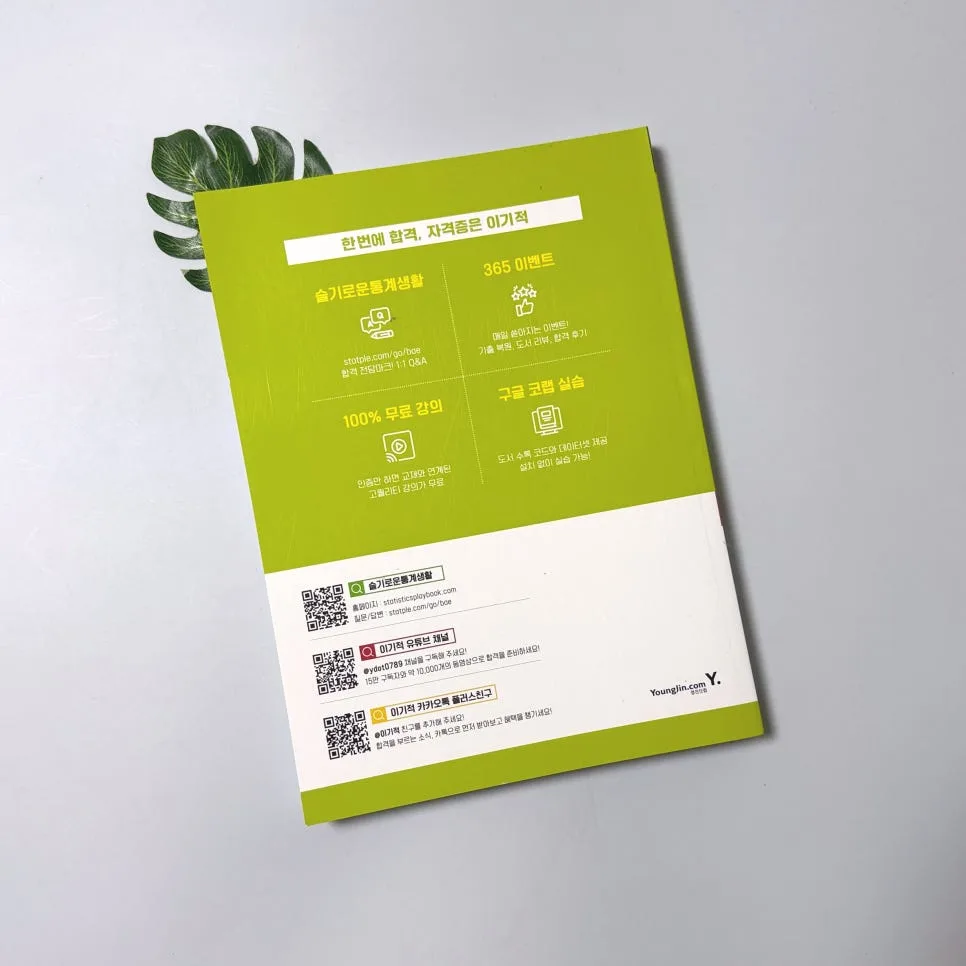
The Big Data Analyst practical exam rigorously tests your Python-based data analysis skills. For those preparing for the 2026 exams, selecting a guide that reflects the latest trends is crucial. This book is a collaboration between 'Wise Statistics Life' (슬기로운 통계생활), a YouTube channel with over 1.4 million views, and the reputable 'Igi-jeok' (이기적) series from Youngjin.com. It offers an expert-level curriculum designed for self-learners, complete with a 1:1 Q&A system to help you overcome challenging concepts. The guide systematically covers everything required for the practical exam: Python fundamentals, data structures, data manipulation with Pandas, machine learning and modeling with scikit-learn, and statistical concepts like estimation and hypothesis testing.
What's the Learning Roadmap for the Big Data Analyst Python Exam?
Related Articles
This guide is structured into five parts for systematic learning. Part 1 covers Python fundamentals and data structures, introducing variables, data types, and the basics of NumPy and Pandas. Part 2 dives into manipulating real-world data using Pandas and explores data preprocessing techniques with scikit-learn. Part 3 focuses on machine learning and modeling, detailing core concepts like model evaluation, regression, classification, and clustering analysis, which are essential for the practical exam. Parts 4 and 5 reinforce theoretical knowledge by covering statistics, probability, estimation, and hypothesis testing, all implemented through Python code. Each section includes practice problems to help you immediately apply and review what you've learned.
What Key Content Does the Big Data Analyst Python Exam Cover?
Reflecting the latest trends in the Big Data Analyst practical exam, this book emphasizes hands-on data analysis and machine learning using Python. It provides detailed explanations on data cleaning and transformation with the Pandas library, as well as methodologies for building and evaluating various machine learning models (regression, classification, clustering) using scikit-learn. The guide also presents theoretical foundations, such as statistical estimation and hypothesis testing, implemented via Python code, encouraging a deep understanding beyond mere code replication. It includes sample ideal answers to guide you on how to structure your responses effectively in the actual exam.
What Should You Watch Out For When Self-Studying for the Big Data Analyst Python Exam?
The Big Data Analyst practical exam assesses not only theoretical knowledge but also your ability to write and interpret code. When self-studying, it's crucial to complete the practice problems in each section. More importantly, strive to understand the purpose of each line of code, rather than just finding the right answers. Identifying potential errors during data preprocessing or factors that might degrade machine learning model performance in advance will significantly improve your preparation.