Planning to tackle the 2026 9th-grade civil servant exam in Korea? The national exam typically kicks off with online applications in late February, followed by the written test in late March. Successful candidates can expect preliminary results in early May, with interviews in late May and final announcements in early June. For provincial exams, the written test usually takes place in mid-June, so always check your specific region's official announcements. Preparing for these exams is a marathon, not a sprint, making a structured study plan and finding the right learning environment crucial. For those in Seoul, carefully evaluating private academies (hagwons) based on their curriculum, instructors, and support systems can significantly boost your chances of success. Get ahead of the curve by understanding the 2026 schedule and choosing the best hagwon for your preparation.
What's the 2026 9th-Grade Civil Servant Exam Schedule?
The 2026 national 9th-grade civil servant exam is expected to follow a similar timeline to previous years, generally spanning from late February to early June. Applications typically open in late February, with the crucial written examination scheduled for late March. Those who pass the written test will see their results announced in early May, leading into the interview phase in late May, and culminating in the final acceptance list in early June. Provincial civil servant exams are administered separately and usually hold their written tests in mid-June. It's essential for applicants to verify the exact dates and announcements for their specific region, as these can vary. The overall recruitment numbers for both national and provincial positions are projected to remain steady in 2026, offering consistent opportunities for aspiring public servants.
Will New Job Roles Be Available for the 2026 9th-Grade Exam?
The 2026 9th-grade civil servant examination may introduce new job roles, reflecting shifts in societal needs. Recent years have seen the addition of positions like landscape architects and employment and labor specialists, and this trend is likely to continue. Fields such as environmental protection, public safety, and social welfare could see new roles emerge. Additionally, existing job categories might see further specialization, leading to new recruitment drives. For the national 9th-grade exam in 2026, expect potential fluctuations in recruitment numbers across various administrative roles, including general administration, tax, and customs. Specific agencies, like the Military Manpower Administration, might also adjust their recruitment methods. Keeping a close eye on official announcements from the Cyber National Examination Center is vital, as new or adjusted recruitment plans can present fresh opportunities for candidates.
What Should You Consider When Choosing a Seoul 9th-Grade Civil Servant Academy?
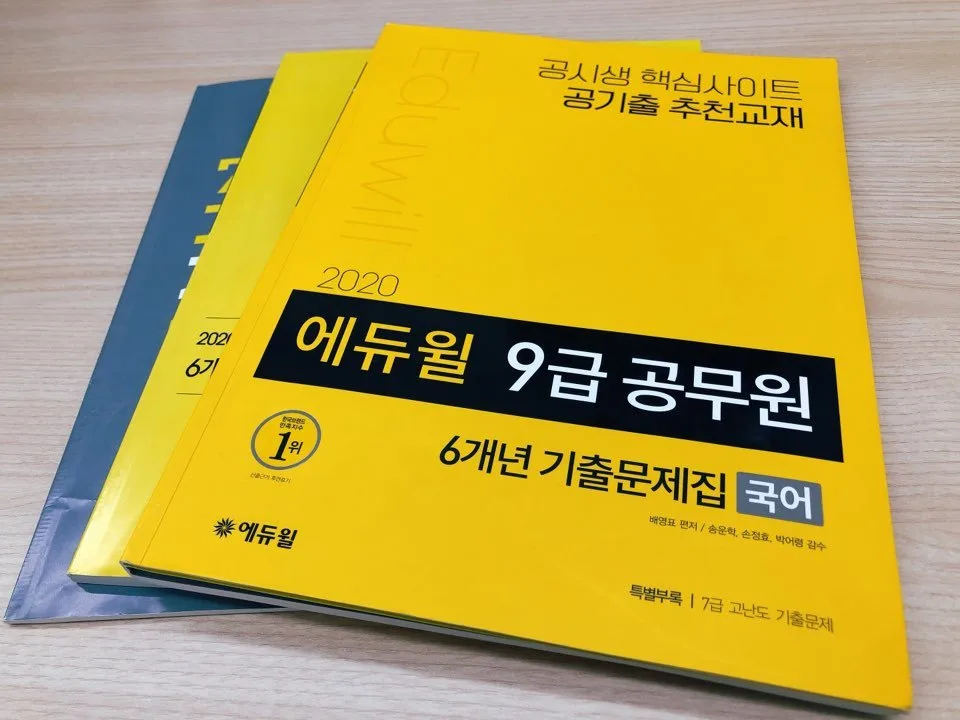
Selecting the right private academy (hagwon) in Seoul for your 9th-grade civil servant exam preparation involves several key considerations. First, examine the curriculum: ensure it's up-to-date with the latest exam trends for 2026 and offers a structured path from foundational knowledge to advanced topics. Second, evaluate the instructors: look for educators with deep expertise, extensive teaching experience, and strong communication skills to engage with students effectively. Third, assess the support systems: inquire about services like unlimited online course access, one-on-one Q&A sessions, and support for study groups, all of which can enhance your learning experience. Finally, consulting reviews from past successful students can provide valuable insights into an academy's effectiveness. Reputable institutions like Edüwill often offer a blend of live and online classes to cater to diverse learning preferences.
What Common Mistakes Should You Avoid When Preparing for the 9th-Grade Civil Servant Exam?
Aspiring civil servants often make critical errors that can hinder their progress. One common pitfall is failing to verify official information regarding exam schedules, recruitment numbers, and specific job requirements. Relying on outdated or unofficial sources can lead to missed deadlines or incorrect preparation. Another mistake is setting an unrealistic study plan that doesn't align with one's current skill level or available time. It's crucial to create a personalized, achievable schedule. Furthermore, attempting to study in isolation without leveraging available resources can be detrimental. Many successful candidates benefit from structured learning environments, such as study groups or private academies (hagwons), which provide guidance, motivation, and access to expert instruction. Always confirm information through official channels like the Cyber National Examination Center and consider structured support systems to optimize your preparation.
For more details, check the original source below.