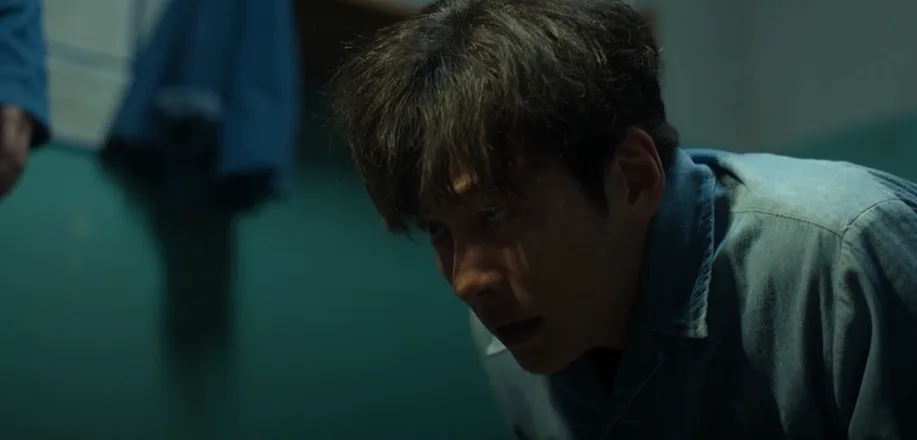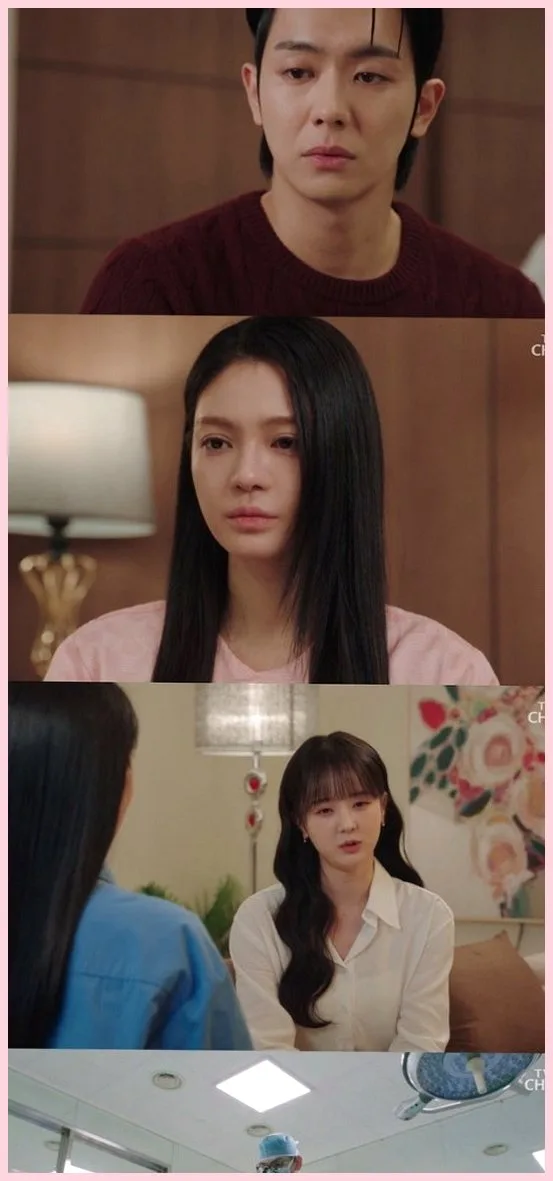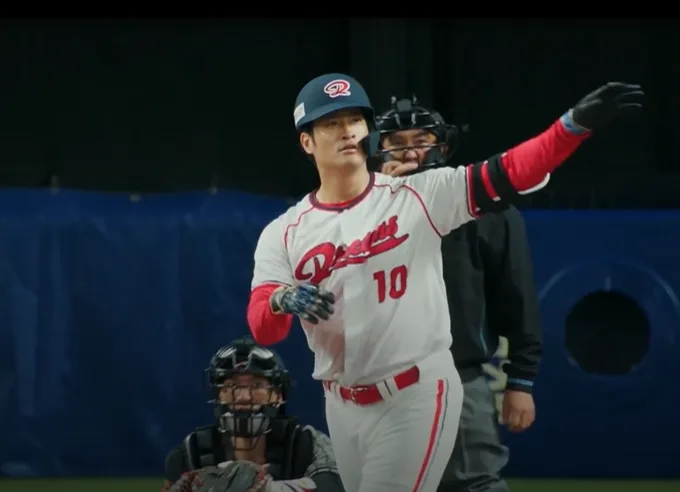
In the premiere episode of 'The Rival' (Japanese version), the team makes the shocking decision to trade their iconic ace, Kudo, signaling a dramatic shift. This review delves into the reasons behind this pivotal move, the sharp analysis of new General Manager Sakurazaki Jun, and his bold first steps toward rebuilding the team.
GM Sakurazaki Jun Diagnoses Dreams' Woes
The drama opens with Dreams suffering a crushing 14-3 defeat, highlighting their bleak reality. Despite the ace Kudo's performance, including his 30th home run of the season, the starting pitcher's early struggles and the team's overall poor performance remain unresolved. Post-game, a somber meeting reveals the team manager's frustration and the GM's resignation, underscoring the team's crisis. Amidst this chaos, the newly appointed GM, Sakurazaki Jun, delivers a brutally honest assessment of Dreams. He identifies deep-rooted issues such as coaching staff factions, a lack of managerial authority, and low player morale, bluntly stating the team is unlikely to escape the bottom ranks for the next decade. This diagnosis goes beyond mere performance slumps, cutting to the core of systemic problems.
Manager Retained, Ace Traded: The Rationale Behind the Bold First Move
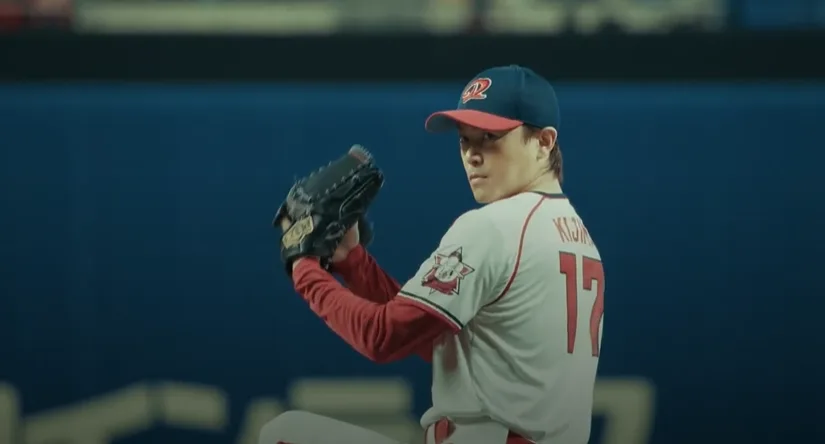
Contrary to expectations, GM Sakurazaki Jun's first executive meeting sees him retain the manager and coaching staff, a surprising move. However, he immediately follows this with the bombshell announcement of trading the team's beloved ace, Kudo. This decision sparks immediate backlash, overwhelming the front office with protest calls. Unfazed, Sakurazaki presents data-driven evidence: Kudo is perceived as weak in crucial moments, struggles in hot weather, and disrupts team harmony. He proposes trading Kudo for pitcher Sawada, who previously left the team, framing it not just as a player swap but a strategic move to overhaul the team's structure. Kudo's emotional outburst during this process amplifies the dramatic impact of this symbolic change.
Data-Driven Decisions: The First Step in Team Rebuilding
Sakurazaki explains the rationale behind Kudo's trade by pointing to his tendency to falter under pressure, his performance decline in summer, and his divisive presence within the team. These aren't emotional judgments but cold, calculated analyses based on data and statistics. The selection of pitcher Sawada, a former team member, as Kudo's replacement signifies a strategic choice aimed at improving the team's overall condition. Sawada's triumphant return to Dreams, met by fan cheers, marks a significant moment in this transition. It's also revealed that Sakurazaki was chosen by the president due to his unique experience of both winning championships and witnessing team dissolution, raising expectations for his leadership.
Internal Systemic Issues Hinted, Foreshadowing Future Developments
GM Sakurazaki also highlights the poor performance of high draft picks in recent years, suggesting systemic issues within the team rather than individual player shortcomings. This implies a need for fundamental improvements to the team's environment and overall structure. The scene where his wheelchair-bound sibling analyzes rookie player data serves as a potential foreshadowing of future plot points, leaving viewers with lingering questions as the first episode concludes. 'The Rival' (Japanese version) episode one sets the stage for a compelling team rebuilding narrative by showcasing the bold decision to let go of a symbolic player, igniting curiosity about the journey ahead.
For more detailed analysis, check the original source below.