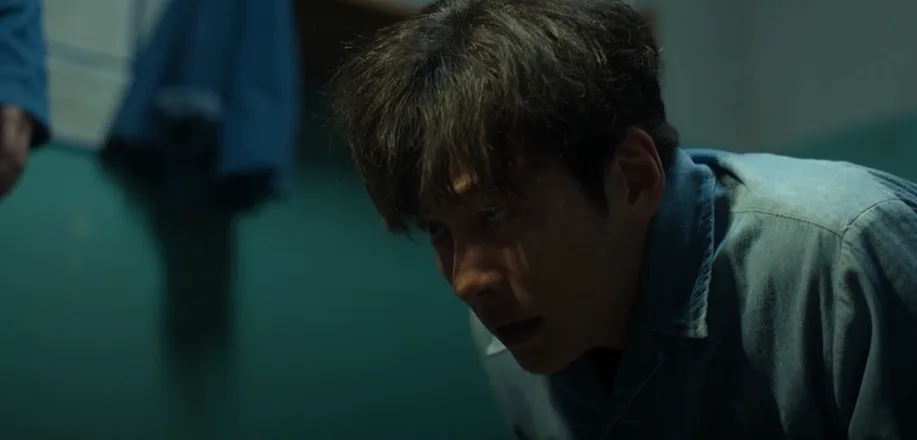
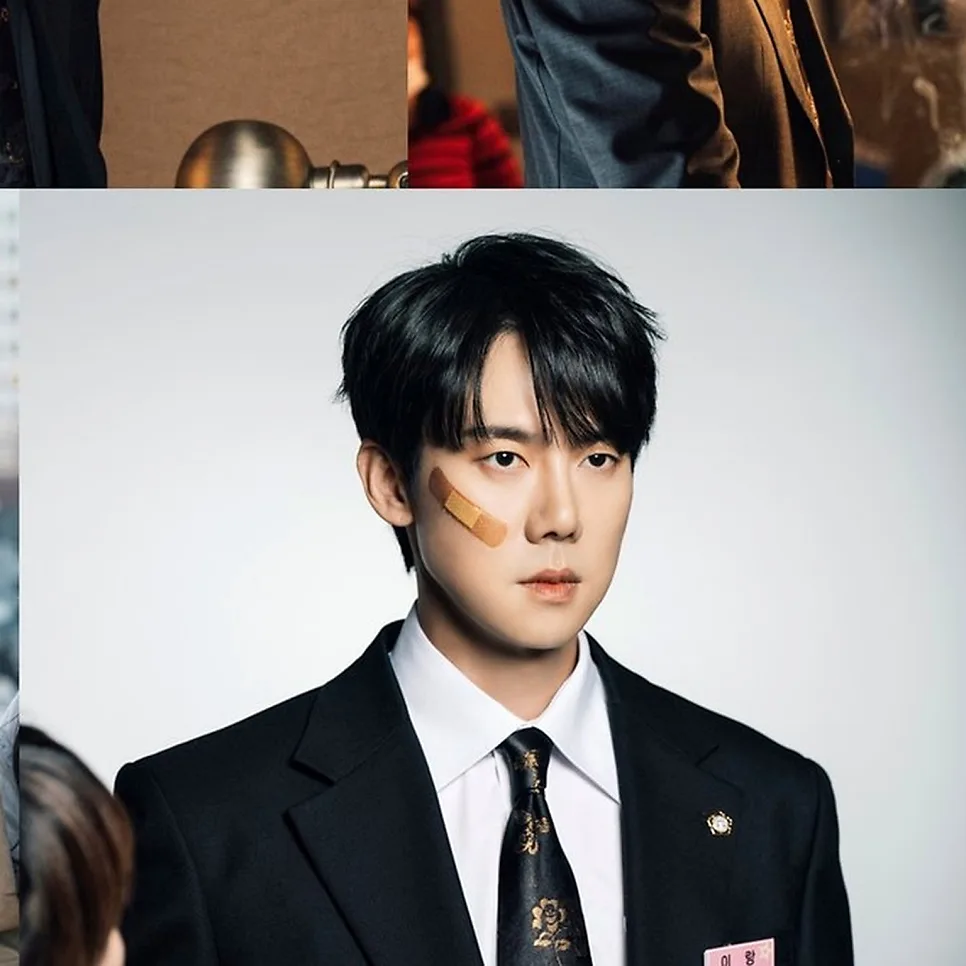
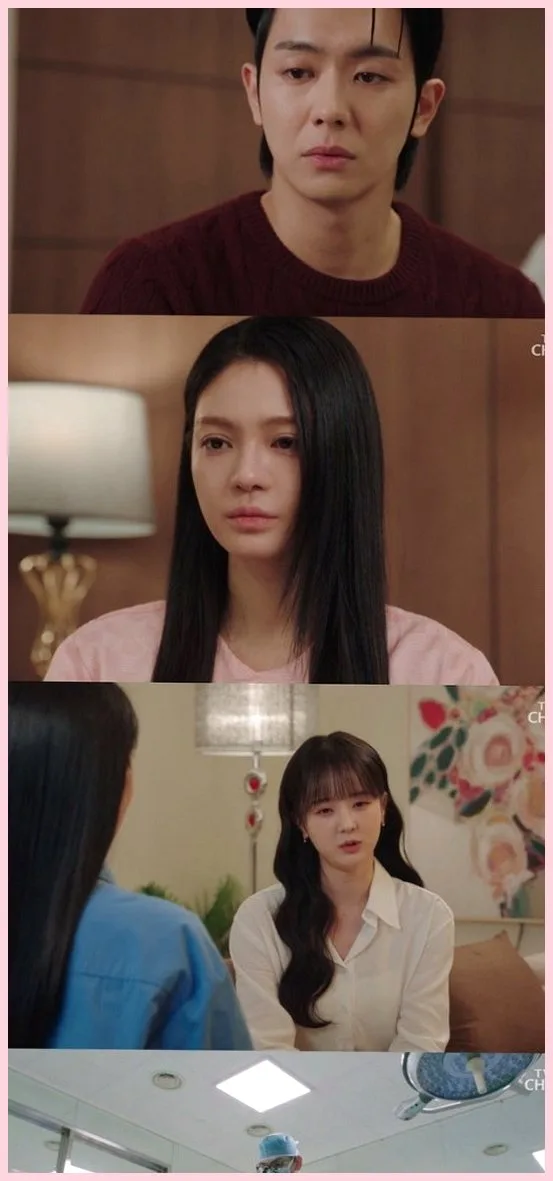
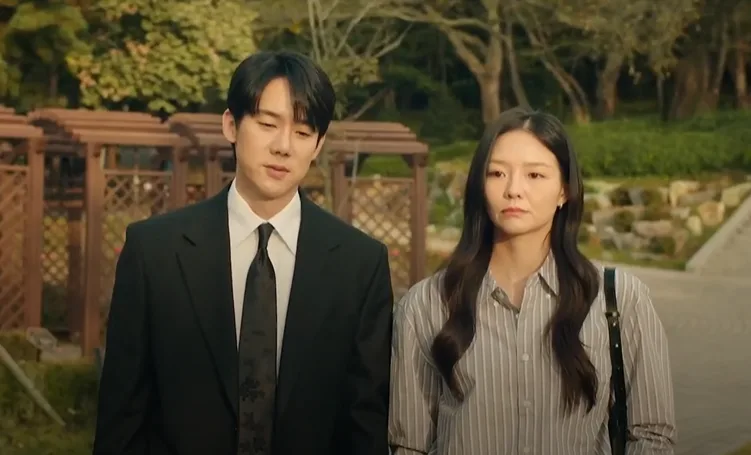
The Korean drama "The Devil Judge" (신이랑 법률사무소) captivated audiences from March 13 to May 2, 2026, airing on SBS and Netflix. This legal thriller features a unique premise: a lawyer who can see ghosts and hears the last words of the deceased to solve cases. The series delves into the profound message of justice by giving a voice to those who can no longer speak for themselves.
What Kind of Cases Does the Ghost Lawyer Take On?
"The Devil Judge" centers on lawyer Shin Yi-jae, who operates a law firm in Seoul's Seocho-dong district. Unlike typical legal dramas, Shin's clients aren't the living, but the spirits of the dead seeking justice for their unresolved grievances. These cases range from medical malpractice and entertainment industry abuse to intellectual property theft and child endangerment. The core conflict arises from the inherent limitation that 'the dead cannot speak for themselves.' The drama cleverly navigates these impossible situations by employing supernatural elements, specifically Shin's ability to perceive ghosts. He doesn't just banish spirits; he acts as their advocate, using their final words as a crucial starting point to fight in the real-world courtroom. This blend of genres transcends a simple occult or legal procedural, posing deep questions about whose voices the law truly hears and whose silence it overlooks. The series portrays the desperate cries of victims who have lost their chance to speak, fostering deep empathy and resonance with viewers, rather than exploiting ghosts purely for horror.
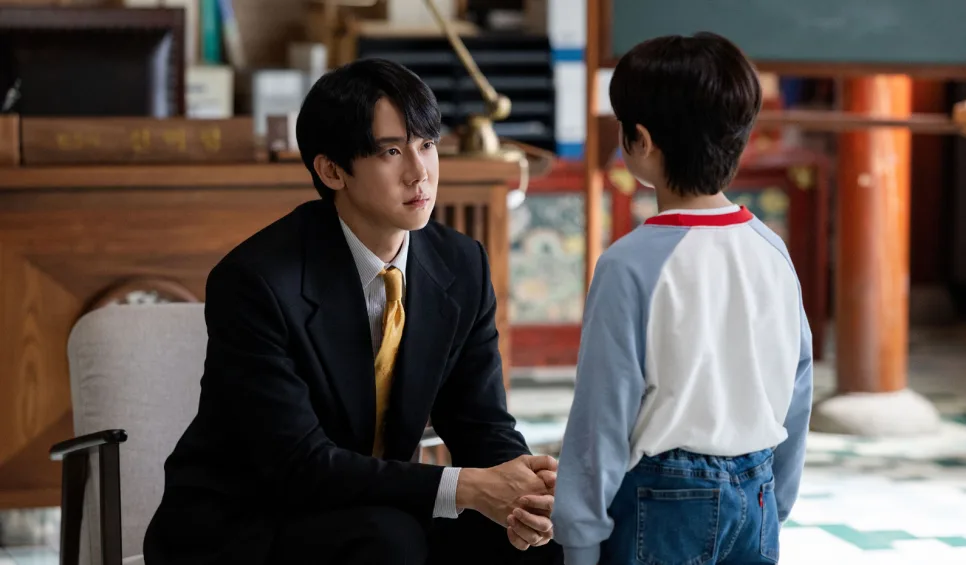
This approach ensures that the narrative is not just about supernatural encounters, but about uncovering the truth through the unheard testimonies of the departed.
How Does Shin Yi-jae Uncover Truths at the Intersection of Law and the Supernatural?
Related Articles
The series' most compelling aspect is its unique setting where legal statutes coexist with spiritual elements. While typical legal dramas rely on evidence and logic, "The Devil Judge" actively incorporates the language of the unseen world—ghosts, possession, and lingering grudges. Shin Yi-jae doesn't directly present ghost testimony in court. Instead, he uses the deceased's memories and experiences as a starting point to uncover tangible evidence and navigate legal procedures. The ghosts' memories act as a compass, guiding the investigation, while the supernatural elements complement the limitations of the law. This allows viewers to enjoy the genre thrills of ghost interactions alongside the satisfaction of a courtroom drama where Shin uncovers the truth through evidence. The drama conveys a powerful message: justice begins not just with punishing the guilty, but with diligently listening to the voices that were never heard.

The symbolic choice of placing Shin's office in a former shamanic site highlights the convergence of the orderly, procedural world of law with the realm of lingering resentments and spirits.
What Are the Limitations of the Legal System and How Does Fantasy Compensate in "The Devil Judge"?
The drama effectively fills the gaps left by the legal system with fantastical elements, creating a unique viewing experience. The law demands concrete evidence and logical reasoning, but often, evidence is non-existent or deliberately concealed, leaving cases unresolved. "The Devil Judge" overcomes these legal hurdles through the presence of ghosts. The final moments of the deceased, their intense emotions, or the lingering energy of a crime scene can become crucial clues. For instance, in a medical malpractice case, the victim's spirit might reveal details about the negligence that would otherwise remain hidden. This narrative device allows the drama to explore complex ethical dilemmas and societal issues that often fall outside the strict confines of legal proof. By weaving supernatural elements into a grounded legal framework, the series offers a fresh perspective on justice and the pursuit of truth, making it a standout Korean drama on Netflix. The contrast between the rational world of the courtroom and the emotional, spectral realm of the ghosts provides a compelling dramatic tension that keeps viewers engaged throughout the series.
How Does "The Devil Judge" Compare to Western Legal Dramas?
Western legal dramas, such as "Law & Order" or "The Good Wife," typically focus on procedural accuracy, courtroom strategy, and the ethical dilemmas faced by lawyers within a strictly realistic framework. They often explore the nuances of evidence, witness testimony, and legal precedent. While compelling, these shows rarely venture into the supernatural. In contrast, "The Devil Judge" injects a significant dose of fantasy and the occult. Instead of relying solely on forensic evidence, Shin Yi-jae uses spectral insights to guide his investigation. This Korean TV show blends the procedural elements of a legal drama with the mystery and intrigue of a ghost story, offering a unique hybrid genre. Shows like the American series "Medium" or "Ghost Whisperer" deal with supernatural elements to solve crimes, but they typically focus on psychics or mediums rather than a lawyer using these abilities within a formal legal setting. "The Devil Judge" uniquely positions its protagonist as an officer of the court who leverages the paranormal to achieve legal justice, a concept rarely explored in Western television. This fusion of genres provides a distinct flavor that appeals to fans of both legal thrillers and supernatural mysteries, setting it apart from conventional crime procedurals.
What is the Core Message About Justice in "The Devil Judge"?
At its heart, "The Devil Judge" challenges the conventional definition of justice. It posits that true justice isn't merely about punishing the guilty according to the letter of the law, but about ensuring that every voice, especially those silenced by death, is heard and acknowledged. The drama emphasizes the importance of empathy and the pursuit of truth beyond the limitations of evidence and procedure. Shin Yi-jae's ability to hear the last words of the deceased allows him to uncover hidden truths and bring closure not only to the victims but also to their loved ones. This Korean drama suggests that the legal system, while necessary, can sometimes fail to capture the full spectrum of human experience and suffering. By incorporating supernatural elements, the series explores the idea that sometimes, understanding requires looking beyond the tangible and acknowledging the emotional and spiritual dimensions of a case. This profound message resonates deeply, offering a unique perspective on justice that goes beyond mere legal retribution and touches upon the fundamental human need for acknowledgment and peace.
For more details, check the original source below.