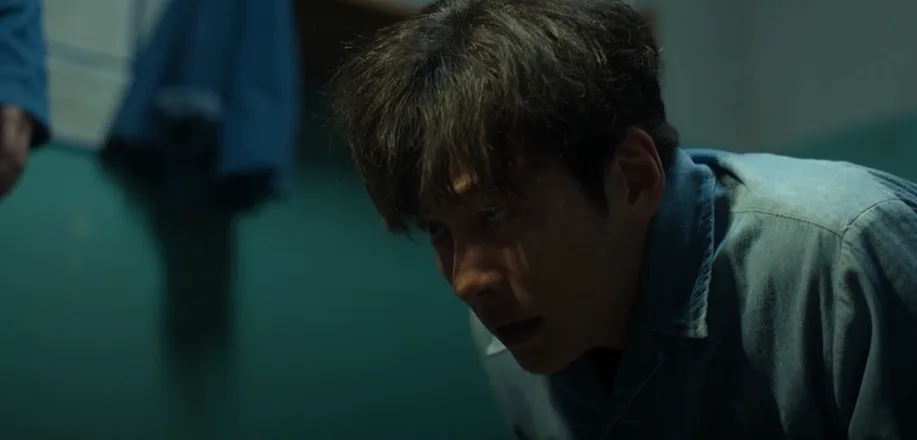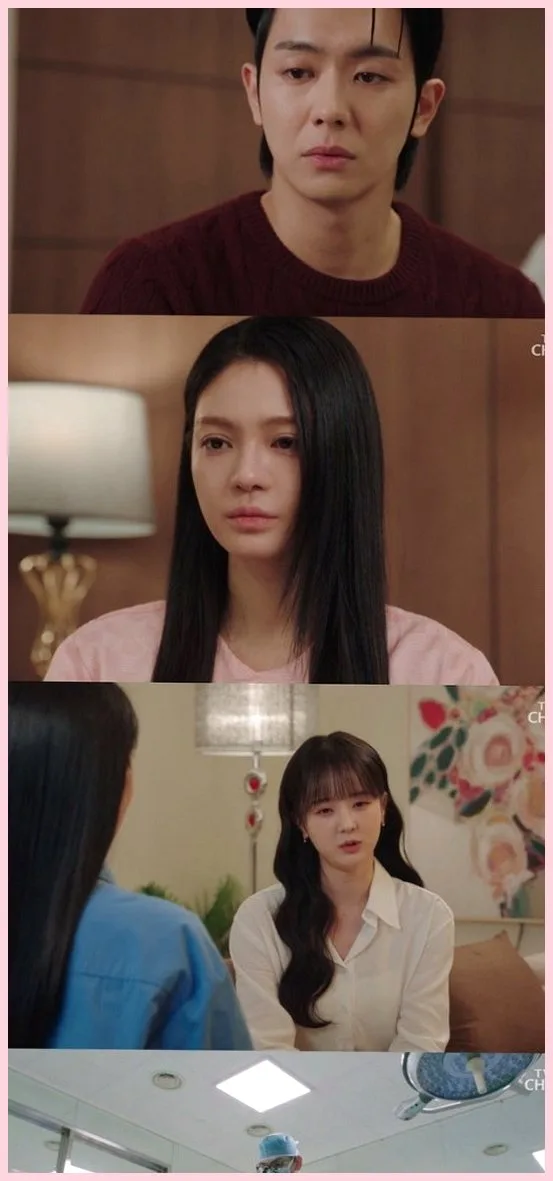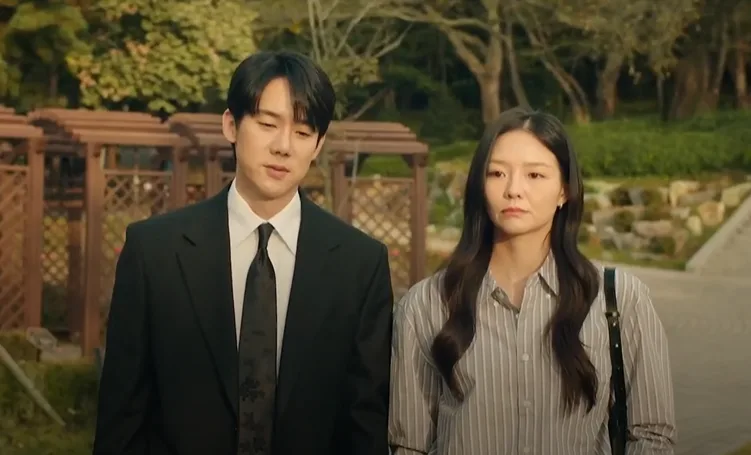
While many are focusing on Choo Ah-ah's choice over Park Jae-sang's death in Climax episode 6, the truth hidden beneath is far more complex. Ah-ah's decision was a calculated move to turn a crisis into an opportunity, a meticulous strategy that went beyond mere survival instincts.
Climax Episode 6: How Did Park Jae-sang's Death and Choo Ah-ah's Choice Unfold?
Climax episode 6 kicked off with an atmosphere of impending doom, hurtling towards an irreversible catastrophe. The phone call between Ji-ho and Yang-mi starkly revealed the gravity of the current situation, hinting that this battle, involving Chairman Kwon, had escalated beyond personal stakes. Although Ji-ho attempted to convey the project's suspension, Yang-mi demanded Plan B, preparing her next move. This initial tension between those wanting to retreat and those pushing forward immediately captivated viewers. However, unforeseen variables began to complicate matters rapidly. Ji-ho found himself captured by Jung-won, and the revelation that Park Jae-sang possessed a copy of the crucial voice recording instantly placed him at the center of the unfolding events. It was a moment that starkly highlighted the irony of the person holding the truth being in the most dangerous position.
Choo Ah-ah and Park Jae-sang's Confrontation: The Cold Truth Behind Emotional Acting?
The confrontation between Choo Ah-ah and Park Jae-sang was the highlight of this episode. Ah-ah tearfully pleaded for the voice recording to be covered, but Jae-sang accurately saw through her fear. The instant Ah-ah heard his words, her expression shifted, and she adopted a cold demeanor, shedding the pretense of emotion. This shocking scene revealed that their relationship was built not on trust, but on Ah-ah's calculated exploitation. It suggested a deliberate choice made to survive, rather than a mere emotional outburst. Jae-sang's subsequent enraged attack on Ah-ah became the catalyst that exposed their relationship's breakdown to the outside world. Passersby capturing the incident on camera transformed a personal conflict into a public spectacle, paradoxically providing Ah-ah an opportunity to establish herself as a victim. This drama clearly illustrates that in this narrative, who controls the story is more important than who is right.
The Complex Relationships and Power Struggles Around Jung-won, Tae-seop, and Chairman Kwon?
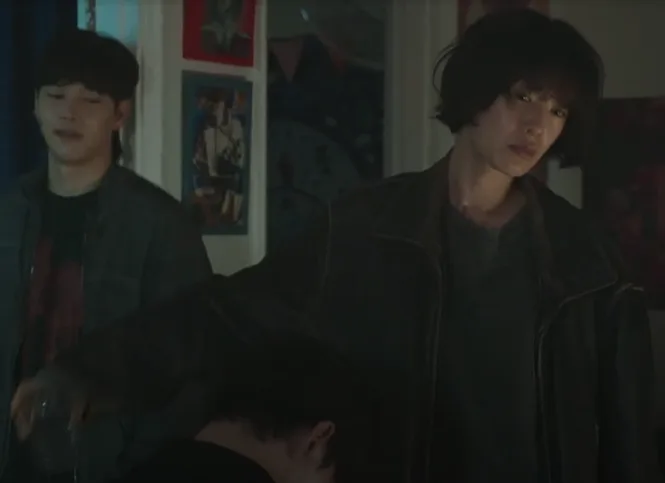
The conversation between Jung-won and Tae-seop further clarified the intricate relationships between the characters. The moment Jung-won admitted to using Choo Ah-ah from the start, any remaining trust between them completely crumbled. Furthermore, Tae-seop's extreme statement, “Shall I kill Park Jae-sang?” indicated that abnormal choices were already being made casually between them. While Tae-seop tried to draw a line, it felt less like a warning and more like a late resignation. Meanwhile, the dynamic surrounding Chairman Kwon Jong-wook and Chairman Kwon highlighted that this incident was far from a simple personal conflict. Chairman Kwon, lying with an oxygen mask, and the figures moving on his behalf symbolically represented the reality of power. With the will and stock issues intertwined, Yang-mi's attempt to suppress the news became understandable, as the revelation of the truth could shake not just individuals but the entire power structure. Conversely, Kwon Jong-wook sought to escalate the situation, while Tae-seop refused to back down. The mention of the Oh Kwang-jae file revealed a vast network involving the media, politics, and conglomerates, hinting that this fight would not end with just one person's problem. It depicted the harsh reality that in this world, no one can remain completely free.
Public Exposure and Park Jae-sang's Revelation, Followed by Choo Ah-ah's Shocking Twist
Ultimately, the incident became fully public through broadcast. Alongside Tae-seop's nomination cancellation issue, Park Jae-sang's voice recording and assault footage were released, escalating the situation uncontrollably. Park Jae-sang declared he would expose everything through a personal broadcast, raising the tension to its peak. At this point, Choo Ah-ah's line, “It won’t end until someone dies,” accurately pinpointed the episode's core theme. Later, the blood found in the hotel bathtub by Jung-won, along with the message 'To Jung-won,' delivered a powerful emotional shock. This scene, overlapping with Jung-won's past memories, created psychological ripples beyond a mere incident. However, the twist revealed as the broadcast began was stunning: the deceased was not Park Jae-sang, but another individual, and Choo Ah-ah was alive. This moment recontextualized all previous scenes. This development went beyond a simple plot twist, raising questions about who orchestrated the entire situation. Yang-mi's remark, “Good show, nice shot,” turned suspicion into certainty, revealing that even Ah-ah's crisis was a meticulously planned strategy to overturn the game. This clearly demonstrated how calculated Choo Ah-ah's choices were.
Choo Ah-ah and Tae-seop: Survival Strategies and Public Relations Warfare Through Different Approaches
Following the twist, the conversation between Choo Ah-ah and Tae-seop was filled with mutual distrust and fatigue. Their relationship, though on the same side, remained tense due to their differing approaches to conflict. It became even clearer that their bond was based on mutual interests rather than genuine camaraderie. The final press conference scene marked the beginning of their public relations campaign, with both characters constructing victim narratives. This scene suggested that in reality, interpretation and narrative power often hold more sway than the truth itself. Ultimately, this battle is not about facts, but about who can create a more compelling story, heightening anticipation for the next episode.
English crawl path
Next English reads from this pilot cluster
Continue through the category hub, latest English stories, and related posts so this translated article is not an isolated URL.
Tags
💬Frequently Asked Questions
Did Park Jae-sang really die in Climax episode 6?
What is the significance of Choo Ah-ah's choice?
What is the core conflict in Climax episode 6?
How is the power structure depicted in this drama?
English discovery path
Explore more English K-culture stories
Keep browsing the indexed English pilot cluster so Google and readers can move between this story, the category hub, and fresh discovery pages.
Original Source
Read the Korean original