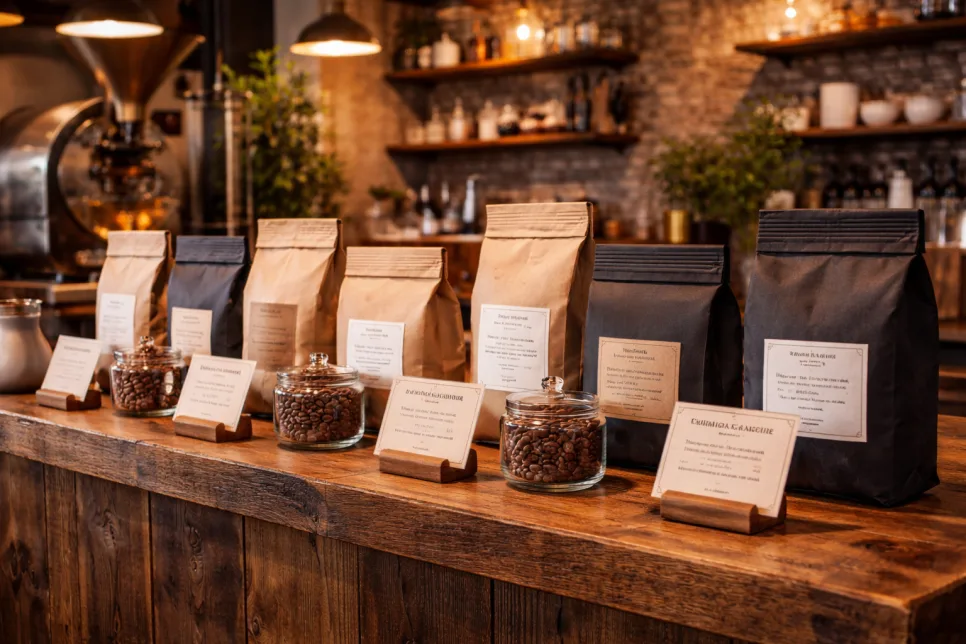
Stop guessing and start brewing! As a former cafe manager, I'll share a 3-step formula to find your perfect coffee beans in 2026. Forget confusing jargon; we'll focus on 'color,' 'flavor profile,' and 'processing' for foolproof bean shopping.
How to Choose Coffee Beans for Your Taste in 2026: A Beginner's Guide
Ever felt overwhelmed by coffee bean terms like 'roast level,' 'washed,' or 'natural'? Choosing great beans is simpler than you think, much like picking fruit or ordering a steak. Drawing from my extensive experience as a cafe manager, I've distilled complex coffee knowledge into a straightforward 3-step process designed for beginners. This guide will help you find beans that perfectly match your palate, ensuring your home coffee experience is consistently delightful throughout 2026 and beyond.
Step 1: Understanding Roast Levels Through Bean Color
The color of coffee beans is a direct indicator of their roast level, significantly impacting their flavor and aroma. Light brown beans, roasted lightly, offer bright, fruity notes and a clean, tea-like finish, ideal for those who enjoy coffee's natural acidity. Medium brown beans represent a 'golden balance,' offering a harmonious blend of acidity and richness, making them a safe and satisfying choice for most. Finally, dark brown or almost black beans are roasted intensely, minimizing acidity and bringing out deep, nutty, and sometimes bittersweet chocolate flavors, which are perfect for milk-based drinks like lattes.
Step 2: Choosing Your Flavor Profile: Fruity Acidity vs. Rich Nuttiness
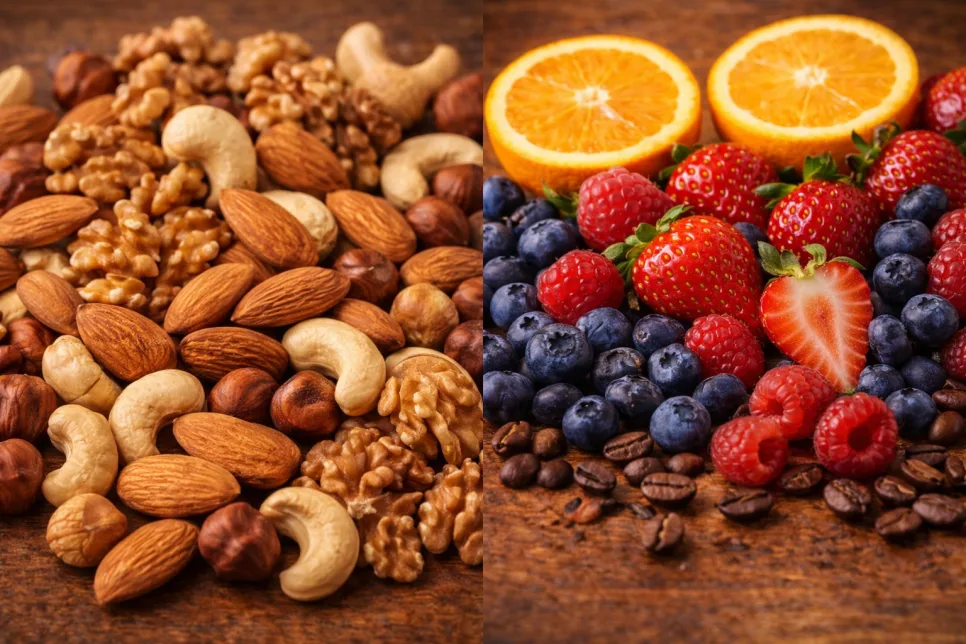
Coffee, at its core, is the seed of a fruit, and its flavor can be broadly categorized into 'acidity' (brightness) and 'body' (richness/nuttiness). If you prefer bright, vibrant flavors reminiscent of oranges, berries, or even floral notes, look for beans from African regions like Ethiopia or Kenya. These often exhibit pronounced acidity. Conversely, if you crave deep, comforting flavors like those found in peanuts, almonds, or dark chocolate, opt for beans from Central or South American regions such as Brazil or Guatemala. Understanding this spectrum helps you pinpoint beans closer to your ideal taste.
Step 3: Deciphering Processing Methods: 'Washed' for Cleanliness, 'Natural' for Sweetness
The terms 'Washed' and 'Natural' on a coffee bag refer to the processing method used after harvesting the coffee cherries. Washed coffee undergoes a meticulous process of removing the fruit pulp before drying, resulting in a clean, crisp cup that highlights the bean's inherent flavors and origin characteristics. It's perfect for those who appreciate clarity and subtlety. Natural processed coffee, on the other hand, involves drying the whole coffee cherry with the fruit intact. This method imparts a distinct sweetness, a fuller body, and often complex fruity notes, similar to dried fruits or jam, making it a great choice for those seeking a richer, sweeter profile.
A Cafe Manager's Recommended Bean Pairings for Beginners
If you're new to the coffee bean world and unsure where to start, here are my go-to recommendations. For those who consistently gravitate towards rich, nutty, and bold flavors, I suggest trying medium-dark roasted beans (dark brown color) from Brazil or Guatemala. If you prefer a brighter, more aromatic cup with floral or fruity notes, an Ethiopian Yirgacheffe bean, lightly roasted (light brown color), is an excellent choice. These pairings offer distinct yet approachable flavor profiles that cater to a wide range of preferences and are readily available at specialty coffee shops or online retailers like Amazon.
For more details, check the original source below.