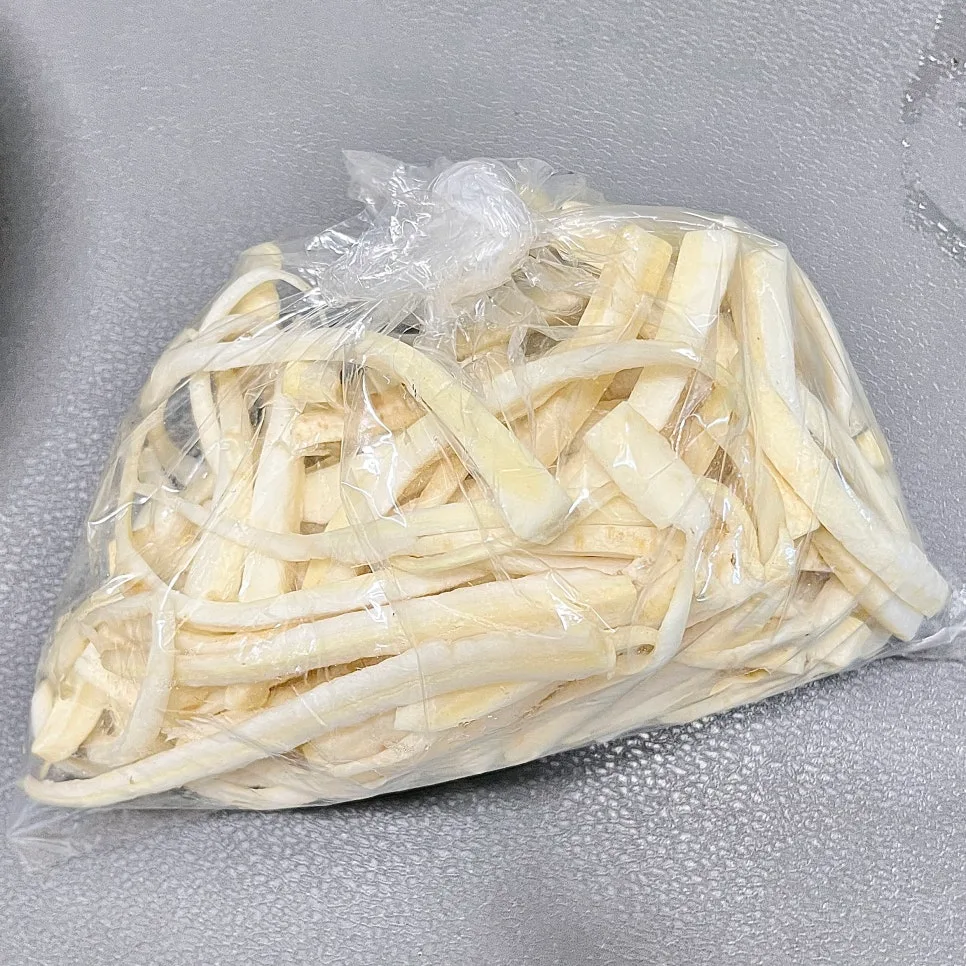
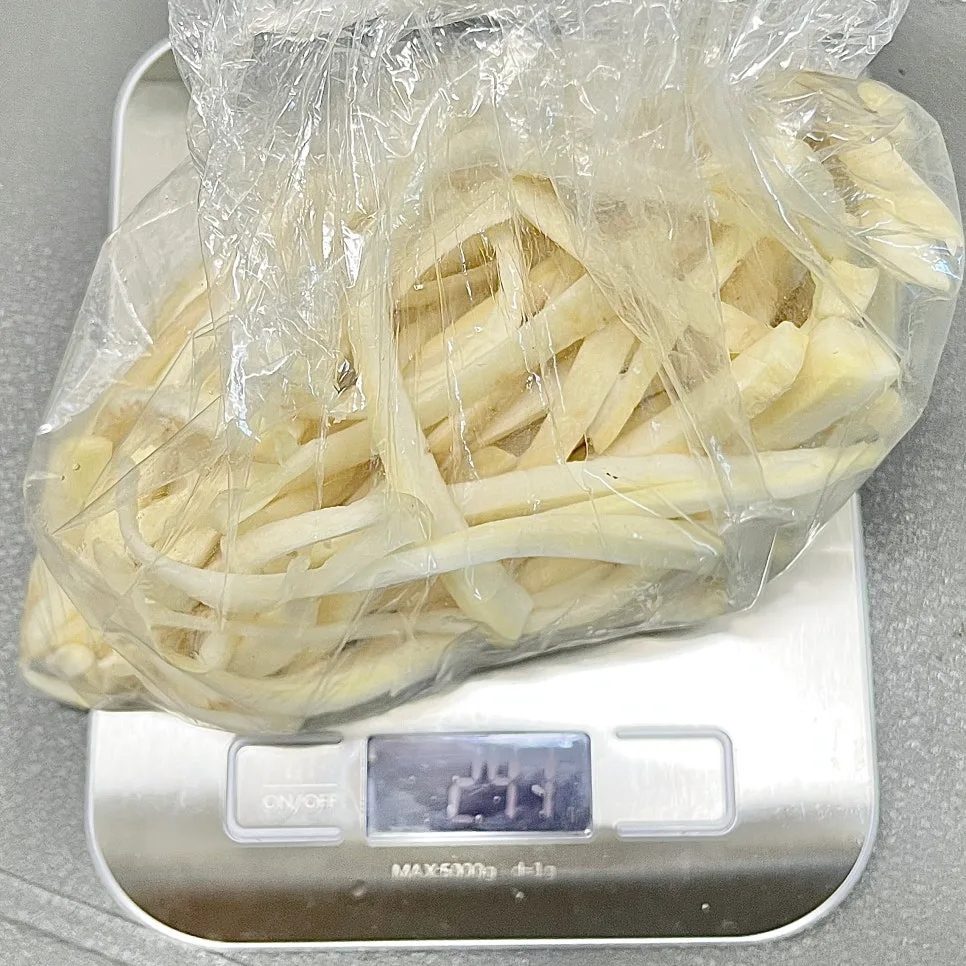
Looking for the secret to a perfectly sweet and sour bellflower root salad (Doraji Muchim) without any bitterness? This guide reveals how to prepare 8.5oz (240g) of bellflower root, from removing bitterness to achieving the ideal seasoning ratio, all in a quick 30-minute recipe.
How to Make Delicious Bellflower Root Salad Without Bitterness?
To make a bellflower root salad that lasts up to a month, we're starting with 8.5oz (240g) of prepared bellflower root. To reduce its naturally bitter taste, it's crucial to slice the root into thin strands. Once prepped, soak these strands in a saltwater solution made with 4 tablespoons of coarse sea salt for about 40 minutes. This process effectively draws out the bitterness. After soaking, firmly squeeze out the excess water by hand; this step is key to ensuring the seasoning adheres well and the salad tastes its best. I found this step truly makes a difference in the final flavor.
With the bellflower root prepped and squeezed dry, it's ready for its flavor-packed dressing. The golden ratio I recommend is 1 part gochujang (Korean chili paste), 2 parts sugar, 4 parts gochugaru (Korean chili flakes), 1 part corn syrup or rice syrup, and 2 parts vinegar. Add 1 tablespoon of minced garlic for an extra flavor boost. This blend creates a perfectly balanced sweet, sour, and spicy profile that complements the bellflower root's unique taste. Even beginners can easily follow this simple recipe.
What's the Golden Ratio for Bellflower Root Salad Seasoning?
The seasoning is what truly defines the flavor of bellflower root salad, and getting the ratio right is essential. My recommended golden ratio is 1 tablespoon of gochujang, 2 tablespoons of sugar, 4 tablespoons of gochugaru, 1 tablespoon of corn syrup (or rice syrup), and 2 tablespoons of vinegar. Don't forget to add 1 tablespoon of minced garlic to enhance the overall aroma and taste. This combination strikes a delicious balance between spicy, sweet, and tangy, making the slightly bitter bellflower root incredibly palatable. You can adjust the amount of gochugaru for more heat or vinegar for extra tanginess to suit your personal preference. This seasoning also works wonderfully as a side for dishes like kimchi fried rice.
What Should You Watch Out For When Making Bellflower Root Salad?
The most critical step when preparing bellflower root salad is effectively removing its inherent bitterness. Even pre-peeled bellflower root can retain some bitterness, so don't skip the salting process. Soaking in a coarse sea salt solution for at least 40 minutes is highly recommended. After salting, it's vital to squeeze out as much water as possible by hand. If the root remains too wet, the dressing will be diluted, significantly impacting the final taste. Additionally, slicing the bellflower root thinly into strands, rather than thick pieces, results in a more tender texture and allows the seasoning to penetrate better. If you're new to making this dish, keep these tips in mind.
How Long Can Bellflower Root Salad Be Stored?
Properly prepared bellflower root salad can be stored in an airtight container in the refrigerator for about one month. Making it with 8.5oz (240g) of prepared bellflower root yields enough for two people to enjoy over a month. Keeping it refrigerated helps maintain its freshness for an extended period. However, for the best taste and texture, it's advisable to consume it sooner rather than later. Consider making smaller batches more frequently to ensure you're always enjoying it at its freshest. This homemade bellflower root salad can become a staple side dish for your everyday Korean meals.
Complete your delicious home-cooked meals with this homemade bellflower root salad.
For more details, check the original source below.